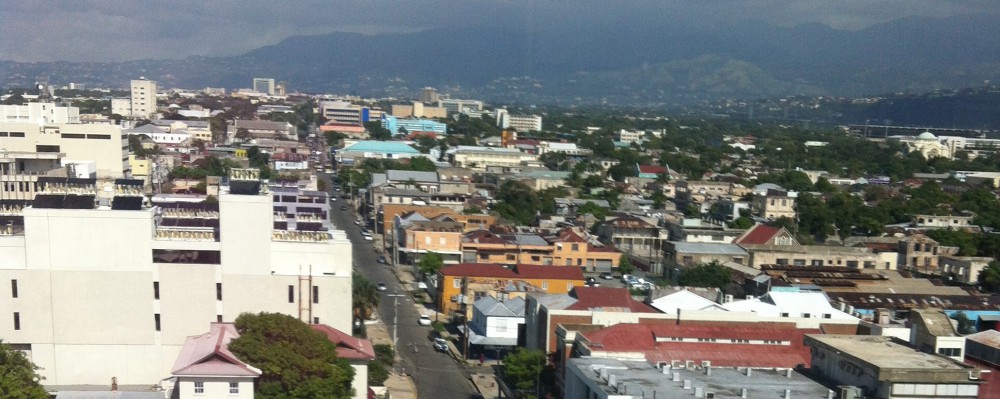
Over the past eight months, I have had the privilege in being involved with a number of consultations and focus groups with youth from Kingston’s inner cities. We pick their brains time after time, asking them what their lives are like, what their hopes and dreams are and what they want to do with themselves. Their energy, candour and innovative personalities never fail to inspire me.
Most often, these youth are unemployed. They have participated in employment or mentoring programs through Youth Opportunities Unlimited, but given the way the local economy is, they are struggling to find work. This is not for lack of effort or skill. I have vetted many of their resumes: these are bright young people who want to work. In fact, this is the most common answer when we ask them what problems they face. They usually say unemployment.
Today, the Gleaner has a story that does not improve the picture for these young people. Unemployment among youth stands at three times the national average and it is worsening. It is currently at 32.2 per cent, compared to the overall unemployment rate of 12.8 per cent. That figure represents 162,900 jobs for youth, down from just over 165,000 during the previous year. Jamaica is a young population: the largest employed age group is 35-44, with the 25-34 age group representing the next largest group. In total, 1.095 people are employed in Jamaica, as of July 2012. Read below for the full story.
Jamaica’s youth unemployment, at 32.2 per cent, is close to three times the national average, and has worsened in the past year, according to new data from Statin.
Youth unemployment rose as high as 34.9 per cent in mid-2011.
The overall unemployment rate inched up to 12.8 per cent at July 2012, compared to 12.3 per cent a year ago, but was a marked improvement on the 14.3 per cent jobless rate estimated in the April 2012 survey.
The fall in the unemployment rate in July coincided with a dip in the size of the labour force since, suggesting that since April some persons had given up hope of finding work and left the market.
The labour force in July comprised 1.256 million, of which 161,300 were unemployed. The unemployed amounted to 179,900 in April within a labour force of 1.261 million; and 151,800 persons in July 2011 from a labour force of 1.235 million.
Planning Institute of Jamaica Director General Dr Gladstone Hutchinson, referencing the Statin data during a review of the quarterly economic performance, said Jamaica’s labour force increased by 20,600 in the past year.
Youth unemployment has consistently run at two or three times the national average.
The rate among 14-24-year-olds was 28.7 per cent in July 2011; 34.9 per cent in April 2012; and 32.2 per cent in the July quarter.
In July 2011, the youth group represented 165,100 jobs; a year later, that number was down to 162,900. The elderly, in the meantime, picked up additional work. Persons 65 and older held 56,300 jobs last year July; this year, the number has grown to 58,300.
The total number of persons employed as at July 2012 stood at 1.095 million, an increase of 1,100 relative to July 2011, Hutchinson said.
Eight of the 16 industry groups recorded increased employment levels year on year.
The largest, wholesale and retail, repair and motor vehicles and equipment, added up 13,800 jobs; manufacturing, 6,400; agriculture and its related sectors added 5,400 jobs; the occupation group ‘craft and related trades workers’ added 7,800; and ‘service workers and shop and market sales workers’, 7,300 jobs.
The majority of jobs are held by the 35-44 age grouping, followed by the 25-34 group.
 Jamaican Journal