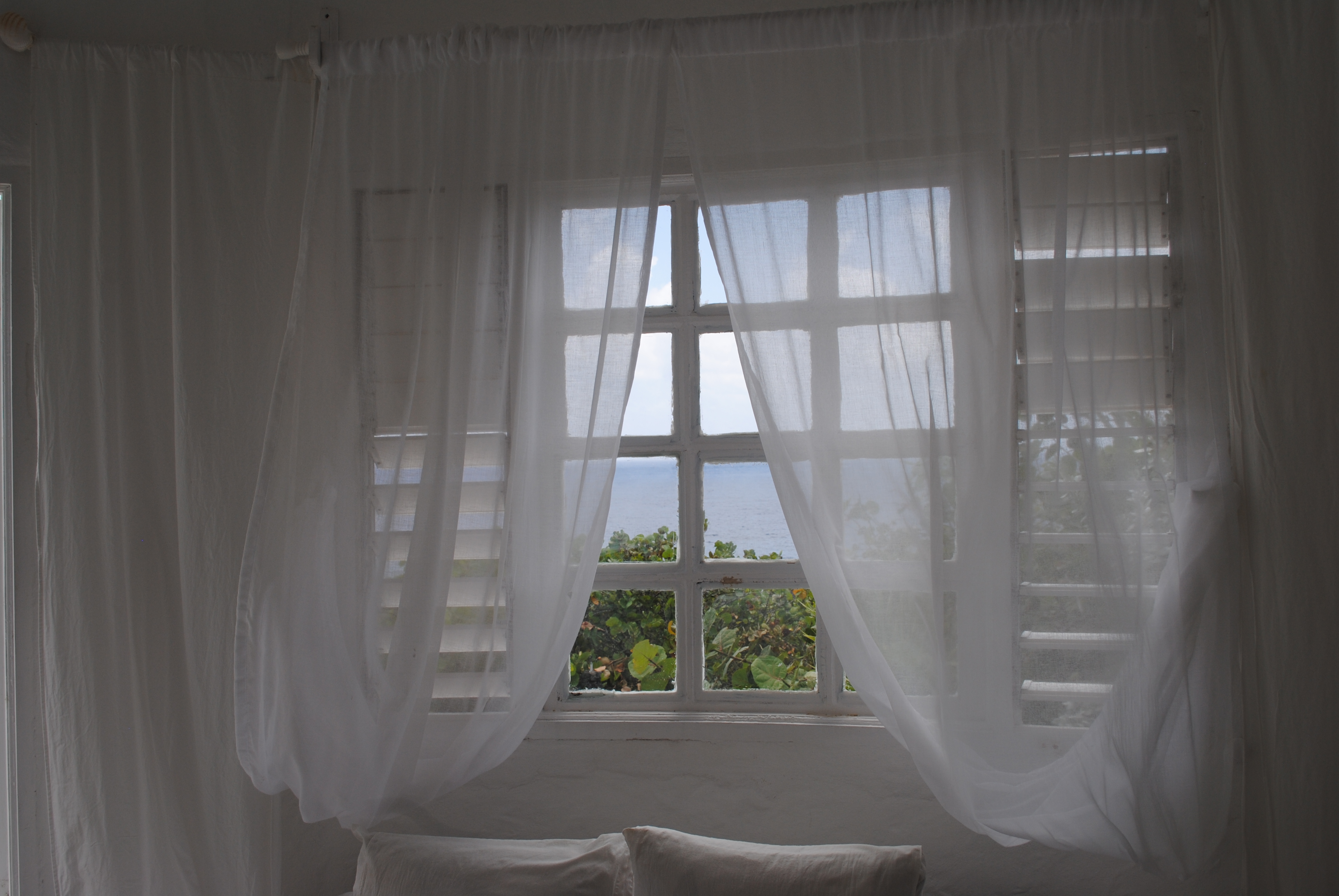
Portland, Jamaica.
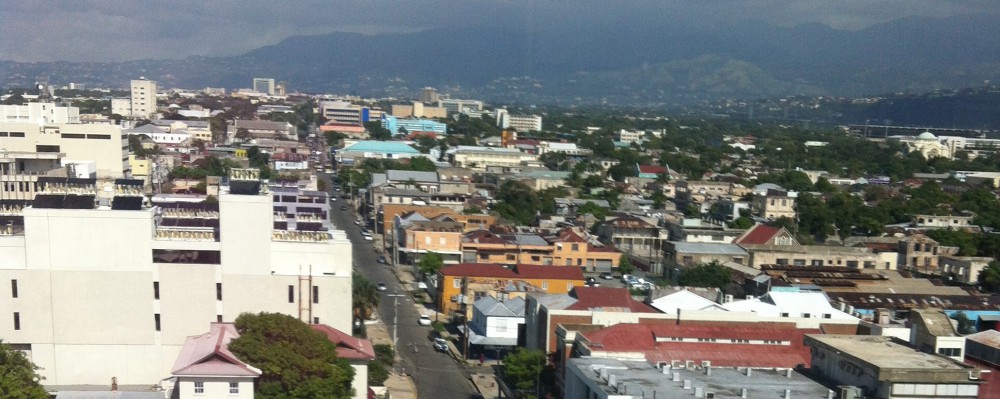

Portland, Jamaica.
This is an amazing story of a Jamaican boy who was adopted at the age of five by a family from Manitoba, Canada. Now he plays hockey. Jermaine Loewen is now 16 and playing at the provincial level.
The second part of Transwave’s profile of a transgender man living here in Jamaica is out now. Check it out.
This is the final part of the series on FJ. Part 2 features a discussion on his identity as a transgender man, some of the challenges he faces and some of the changes he wishes to see. (First part of profile.)
What is it like to identify as a transgender man, living and working in Jamaica? What are some of the challenges you face?
I was fortunate enough to be in the minority of college graduates who acquired a job within a year of completing their studies. That doesn’t mean however, that I landed a job as soon as I began looking. In fact, that’s quite far from the truth. I had been interviewed countless times for jobs I was qualified for and more than competent to perform, but had been denied because of my gender expression.
In Jamaica, being gender non-conformist in your gender expression automatically brands…
View original post 1,437 more words
I direct you today to the updated web site for 18 Degrees North. This is the largest, fully independent investigative journalism outlet in the Caribbean. In just two seasons, we (I work with founder Zahra Burton on producing stories and social media) have won two awards and content related to the Tivoli Commission of Enquiry was brought up repeatedly during the last session.
It is clear there is a rabid hunger for this type of journalism here in Jamaica and across the Caribbean.
This is the kind of story that should not have gotten out the door. If true, this is a serious allegation- that health care workers at hospitals leave premature babies to die. This is a claim to be taken with much skepticism. Would anyone in the health care profession really leave a newborn, premature baby to perish? I do believe there is a lack of resources, however.
This story is based on hearsay and needs a lot more verification, as well as a chance for the Ministry to respond.
Let’s hope this story is followed up on. Check it out here.
New Canadian Prime Minister Justin Trudeau is relinquishing control over diplomats and high commissioners overseas. He immediately sent a letter indicating as such, and that he trusts their judgment. What a change from former Prime Minister Stephen Harper. I have direct experience with this control, when as a reporter I tried to get politicians and foreign staffers off message. It just wasn’t happening, so I always came off the phone with a surreal feeling, as though I had been talking to a computer rather than a human being.
“Today begins a new era in Canadian international engagement,” (Trudeau) writes.
“You are experienced, skilled professionals, and some of Canada’s best assets internationally. Under my leadership, you will have a government that believes in you and will support you in your work around the world.”…
“I expect that you will be engaged energetically in public diplomacy with other diplomats, host government officials, civil society, and the media – in all manner of ways – through direct contact, the media, and social media,” he writes.
“My cabinet colleagues and I will be relying on your judgment, insights, discretion, and work ethic in advancing our interests. I have every confidence that your reporting and our interactions when I am abroad will provide a critical, factual basis for our policies.”
Check out the full story here. I wonder how this will play out here in Jamaica and with the new High Commissioner, who arrived recently and replaced the wonderful Robert Ready, who brought an openness and positivity to his post, but who must have had definite directions on what messages to relay to the public.
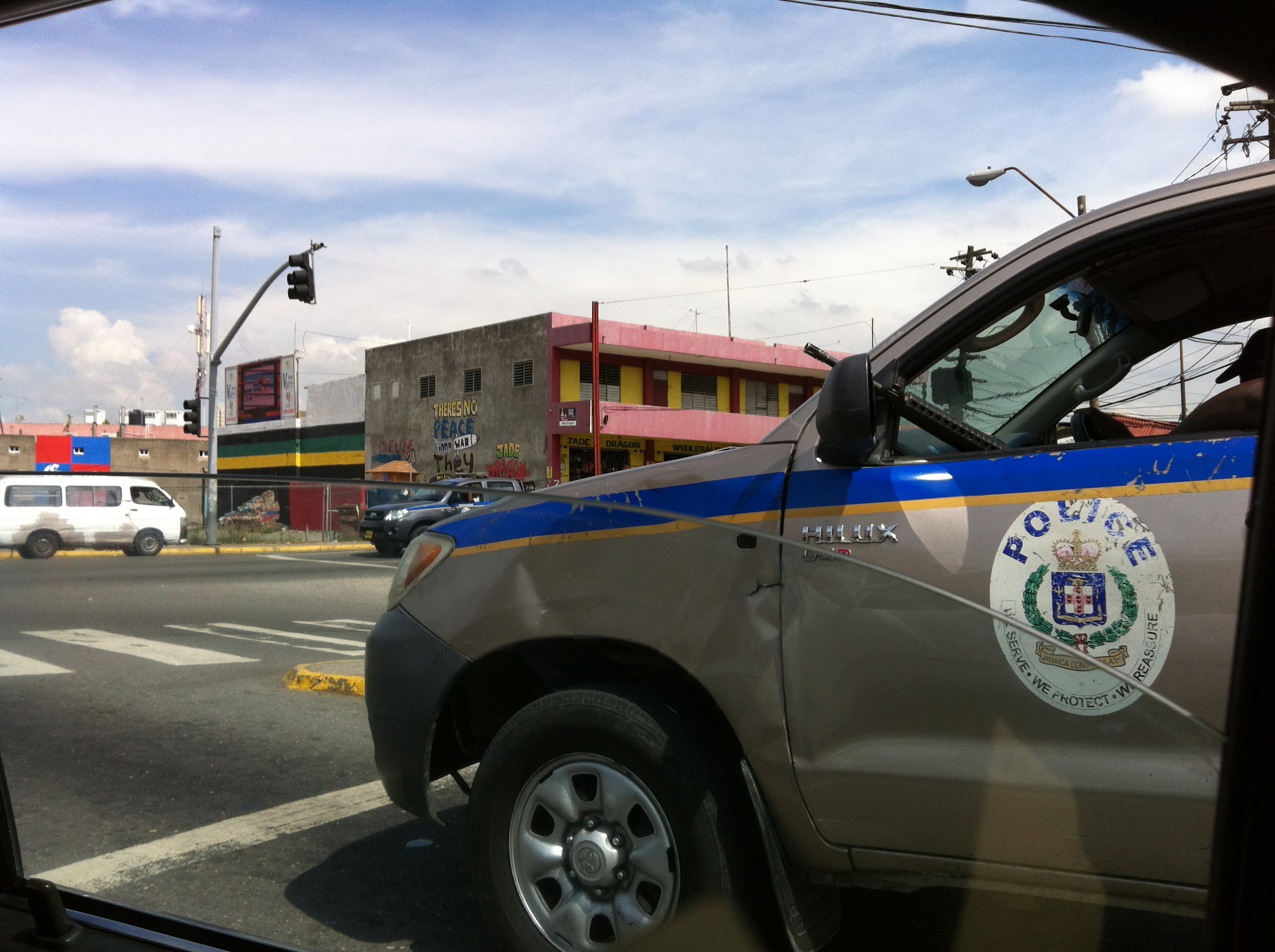
“No peace inna war.”
It is often said that how society treats its most vulnerable is a measure of its character. It is arguable whether or not prisoners are part of this vulnerable population, but at the very least, once incarcerated they are vulnerable to the conditions. And the conditions in Jamaican prisons are appalling, to the point that they violate several international human rights codes.
Fellow blogger Emma attended a Jamaicans for Justice forum at which this was discussed. Here’s an excerpt and check out the full post here:
Sheryl Bailey, who was incarcerated at the Fort Augusta women’s prison, echoed Mr. Barrett’s words. “There are not enough people interested in you,” she stated simply. “Correctional officers are…not professional.” She recounted the traumatic experience of strip searches, which are designed to humiliate inmates, she felt. For Ms. Bailey, there was also this sense of being a “nobody,” ignored, worthless. The worst thing, she commented, is that you carry this “nothingness” with you even when you are released. Once you come out, there is the stigma. “You’ve done paid the penalty already,” she observed, “but you are still being punished.”
A beautiful, humanizing tribute to the 19 babies who perished at Jamaican hospitals as a result of a bacterial infection.

Wishing everyone a peaceful day.


