Unknown's avatar

About Kate Chappell

"And all I offer here is the distilled poetry of my existence..." Claude McKay, Poet Laureate of Jamaica, 1890-1848 I have been a reporter since 1998, covering mainly business and politics. I have also capitalized on the many skills journalism requires to become an all-around communications specialist. In addition to being a professional curious person and communicator, I have a bad case of the travel bug and can't seem to stay put. Finally, I have put my skills to work as a volunteer in the community wherever I have lived. Now, follow me as I combine these compartments of my life in Kingston, Jamaica, where I am a writer, reporter, journalist and lecturer.

Treasure

Image


Treasure

If you haven’t already noticed, I am a little bit compulsive about posting everyday. Blame my daily reporter newspaper experience. It was a busy day today, all over the place, so I am just getting to it now. Hope you had a wonderful day and enjoy this picture on Treasure Beach in beautiful St. Elizabeth taken a couple of years ago.

“Global Views on Morality”


Pew Research has some fascinating new research about Global Views on Morality. For whatever region, no Caribbean countries are included, but there are some South American nations included.

The survey includes responses from more than 40,000 people in 40 nations and topics range from views on abortion, homosexuality, extramarital affairs, gambling and sex between unmarried adults.

The majority of respondents in each of the following topics found these unacceptable: extramarital affairs, gambling, homosexuality and abortion. A minority disapprove of premarital sex, alcohol use, divorce and contraception use.

A survey of Jamaican opinions on these topics would be equally as interesting, I’m curious as to why Caribbean nations are not included.

Enjoy your day.

Easter dinner for homeless Jamaican LGBT youth


This is lovely. Happy Easter.

Bun and cheese


It is Good Friday, and in Jamaica this means (among many other more substantial, religious things) bun and cheese. The bun is sort of like Christmas cake in log form and the cheese is a bright orange concoction packaged in a tin. This combination is a big deal. All yesterday, I kept hearing people asking one another if they had had some bun and cheese yet. Even the guys on the corner washing windows asked me if I could bring them some bun.

For us Cuso volunteers, it is tradition to receive a Maxfield Bakery bun from Cuso Country Representative Tarik, for which Maxfield is a family business. I collected mine from the Cuso office yesterday and then walked with a friend around Halfway Tree on our way somewhere and then home.

Well, carrying this bun on its own caused quite a commotion. Perhaps it was the sight of a foreigner carrying a traditional Jamaican food, or perhaps people were just excited about Easter, I don’t know, but we had quite a few comments and many curious, hungry eyes on the bun I was carrying.

One man came up to me and told me that even though Jamaican men don’t like Easter bun, he would take it from me. Another asked me to open the package and give him some bun, in all seriousness, right then and there. And we got several other unintelligible comments related to the bun, as well of lots of other people just staring at this now famous bun in my hands. Finally, we visited a store where we got a bag for this bun so I could walk home in peace.

And no, I have not had my Easter bun and cheese yet.

Happy Easter!


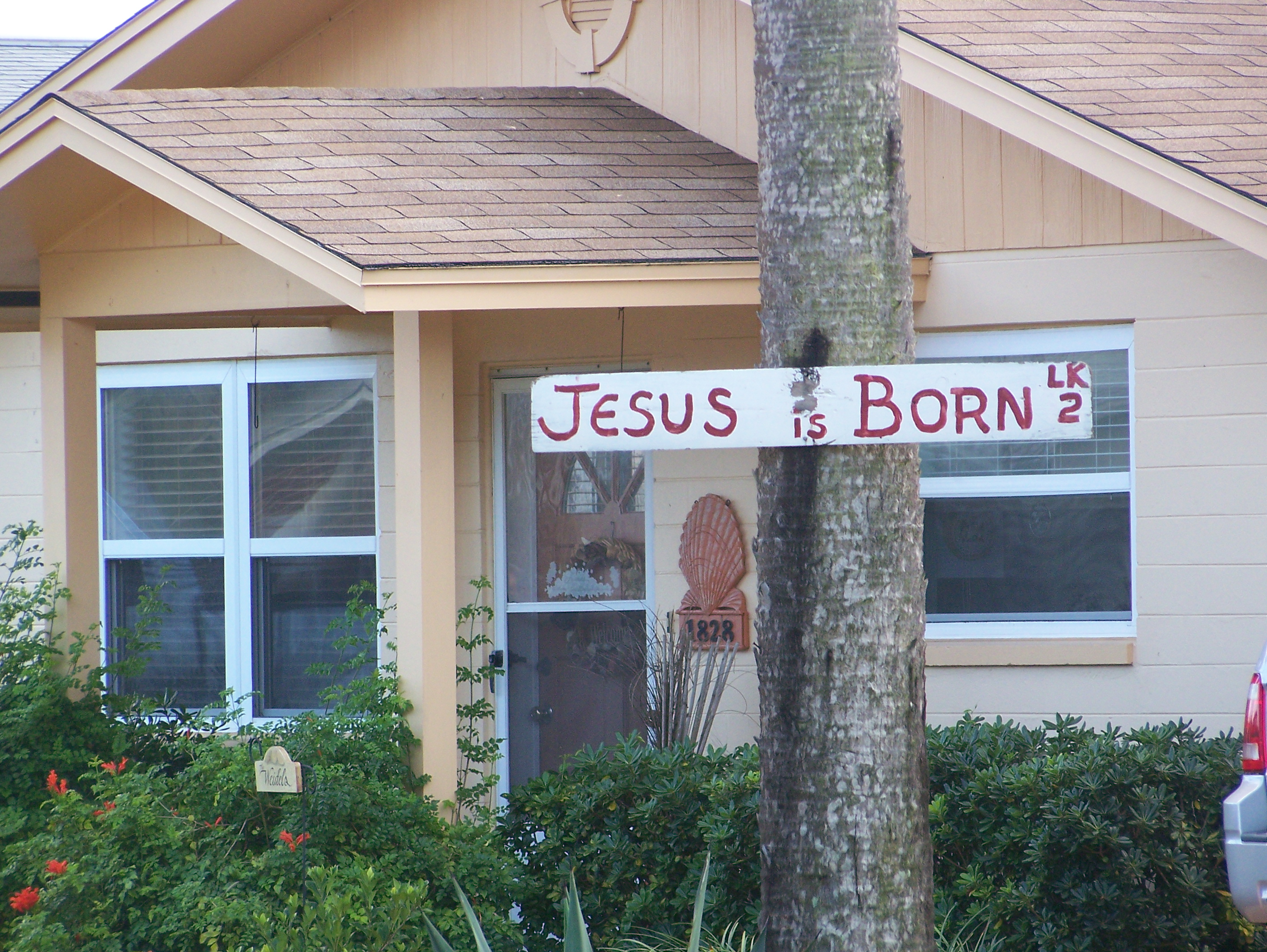
This picture was taken in small-town Florida. The streets here in Kingston are quiet as it seems most people have gone country for the long weekend. Enjoy your day.

INDECOM reports 47.3 per cent decline in “security-forces related” fatalities


Yesterday I wrote about the United Nations’ report on global homicide rates. Specific to Jamaica, the report found a 35 per cent decrease in murders since 2009. This is good news, taken at face value. However, as a reader pointed out, this rate does not reflect “extra-judicial” killings. Nor does it reflect unreported deaths or missing people.

But back to “extrajudicial killings”. INDECOM (the body that investigates deaths involving authorities) calls them, “security-forces” related deaths. Let’s do away with the euphemisms.

These are deaths, usually by firearm, that involve the Jamaica Defence Force or the Jamaica Constabulary Forces. For many years, there have been allegations of rogue security forces. (Check out my post on “death squads” here.) There are two separate issues here: one is the allegations of policemen and women who kill criminals for reasons other than self-defence, and two is the issue of using lethal force when it may not be required. In other words, the accusation goes, authorities are abusing their authority with the result being lives lost unnecessarily and without the presumption of innocence and the requisite right to a fair trial.

Such an atmosphere, where corrupt police allegedly abuse their authority, is obviously a major problem and a symptom of a severely unhealthy democracy. One could even argue that this, combined with other factors such as requiring financial bailouts from an international body such as the IMF, could constitute a failed state. There is no official, internationally agreed-upon definition of failed state, and I wouldn’t go that far, but corrupt security forces and unhealthy finances are two symptoms that require immediate attention in terms of staving off the breakdown of the state.

But back to a story being reported by RJR News today. INDECOM is reporting a 47.3 per cent decrease in “security-forces related” deaths so far this year. From the story:

In January 2014 the Commission recorded 22 fatalities, down from the 30 recorded in January last year. This represents a 26.6 per cent decrease; while in February 14 fatalities were recorded, down from 27 in 2013 which is a 48.1 per cent decrease.

For the month of March, the Commission record four fatalities, which it says is the lowest in the history of the Commission. Last year 19 fatalities were recorded in March, which means there has been a 78.9 per cent drop from the figure recorded in March 2013.

“We are certainly encouraged by these figures and we hope that the number will continue on a downward trajectory, going forward. It is particularly refreshing given the report of the general decline in crime during this period,” said Commissioner of INDECOM Terrence Williams said.

Here are the total number of deaths, annually, from the story: NDECOM statistics reveal that, for the past three years, the annual figures for fatalities were as follows: 2011 – 210; 2012 – 219; 2013 – 258.

Any decrease is good news. But in context and in reality, any death by firearm involving a state institution required to protect its citizens is too many. The flipside of this coin, however, is of course that criminals are out of control and that security forces must protect themselves and their colleagues’ lives. It is a complex situation involving many social factors, and hopefully this positive trend will continue.

(This report from the Inter-American Commission on Human Rights provides more background and characterizes the situation better than I can.)

Jamaica’s homicide rate down by 35 per cent since 2009


437,000 human beings were killed by a fellow human being in 2012, according to the United Nations Global Study on Homicide 2013.

Of these homicides, 37 per cent occurred in the Americas. Of the top ten countries with the highest homicide rates, Jamaica ranks 6th at 39.3 per 100,000 people, which is an improvement from 3rd place a couple of years ago. The decrease in Jamaica is being attributed to successful initiative by the authorities to curb the drug trade.

But before I dig into the numbers, I point you to some interesting language in the preamble to the extensive report. Homicide is defined as “unlawful death purposefully inflicted on a person by another person.” The report also notes that most nations, and the United Nations, enshrine in law the right to life. There are also three main “typologies” of homicide: that which is related to criminal activities, that which attempts to resolve a conflict, and that which attempts to advance a social or political agenda. With this foundation set, let’s dig a little into the report.

The global average homicide rate stands at 6.2 per 100,000 population, but Southern Africa and Central America have rates over four times higher than that (above 24 victims per 100,000 popula- tion), making them the sub-regions with the high- est homicide rates on record, followed by South America, Middle Africa and the Caribbean
(between 16 and 23 homicides per 100,000 popu- lation). Meanwhile, with rates some five times lower than the global average, Eastern Asia, South- ern Europe and Western Europe are the sub- regions with the lowest homicide levels.

Going beyond the averages, what strikes me is the fact that 79 per cent of all homicide victims in 2012 were male. Within the domestic context, 43,600 victims were female. Also striking is the youth of the majority of victims: close to half are within the 15-29 age group, while just less than a third are in the 30-44 age group. So basically, young men are killing one another at rates exceeding those for any other scenario.

If you include the under 15 age groups, close to 50 per cent of all homicide victims are under 30. And in the Americas, 30 per cent of all homicides can be traced to organized criminal activity, and of these, 66 per cent are caused by firearms.

Specific to the region, the report goes on to say

…in El Salvador, Honduras and Jamaica,the male homicide rate in the 30-44 age group is higher than in the 15-29 age group and while the number of victims is greater in the 15-29 male age group, the rate indicates that the homicide risk for males aged 30-44 is higher. In Honduras, this means that almost 1 in every 280 males in the 30-44 age group falls victim to intentional homicide every year, compared to 1 in 360 males aged 15-29. The impact of this dynamic can be devastating for security and the economy, as the deaths of males in the older of the two age groups can have a disproportionate impact on families, the working population and perceptions of security.

The global homicide rate is in fact decreasing, but not in the Caribbean and South American region overall, although it is heartening to see that Jamaica’s homicide rate has decreased by 35 per cent since 2009.

Over the last 12 years, the Caribbean has experienced an increase in its homicide rate, whose fluctuations are also linked to changes in drug trafficking patterns and gang violence. Much of the high rate in these sub-regions can be attributed to very high rates of homicide in the “Northern Triangle” (El Salvador, Guatemala and Honduras), as well as in Jamaica.

However, it appears that authorities are still facing challenges when it comes to curbing organized criminal activity, as 44 per cent of all homicides in Jamaica from 2008 to 2011 are caused by this phenomenon.

Overall, the report reveals some encouraging trends, even in Jamaica. A decrease in the murder rate (there have been more than 1,000 murders in Jamaica annually for the past few years) is good news, and important news that deserves attention and further scrutiny. I’m not sure why local media have not devoted more time and energy to this story. Even the government could use it is as a PR exercise. Maybe in the next few days we shall see more about this.
Only 1 in 10 Jamaicans reporting child abuse and/or neglect


Too many children are suffering in silence. A recent survey from the Office of the Children’s Registry and Unicef reveals that only one in 10 Jamaicans report suspected cases of child abuse.

The survey found that while 76 percent of professionals who work closely with children have reported cases of abuse, only 30 percent of children and 11 percent of adults interviewed, have ever made reports. This is despite the fact that most of the persons surveyed claimed to have either experienced abuse, or knew of a child who has been abused in the past three months.

Additionally, the latest OCR statistics released last week,indicated a jump of close to 40 percent in reports of abuse between January and June 2012-2013.

The Office of the Children’s Registry exists to receive reports of child abuse and/or neglect. Here is their full mandate. Last summer, I used their online reporting system to report a missing child. It was surprisingly easy and a representative from the OCR got in touch with me almost right away. If you suspect a case of child abuse and/or neglect in Jamaica, I strongly urge you to visit and use this easy reporting system. It is free and confidential and you may be contributing to protecting the well-being of a child.

“One love” cake


Birthday celebrations last night. The cakes were home-made, one chocolate and one vanilla, with the inside coloured red, green and yellow. And it said “One love”. Enough said. Enjoy your day.

Friday fruit


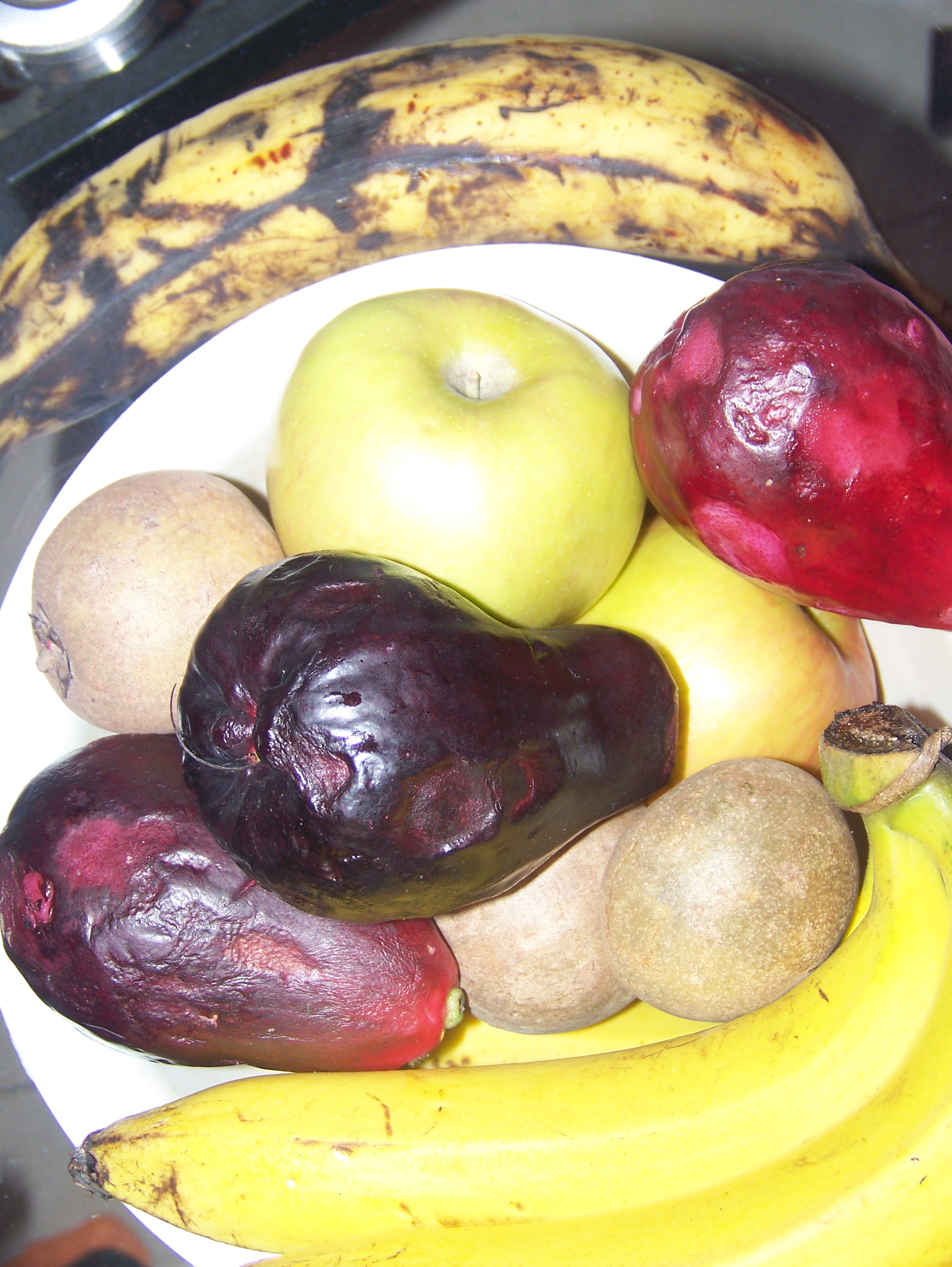
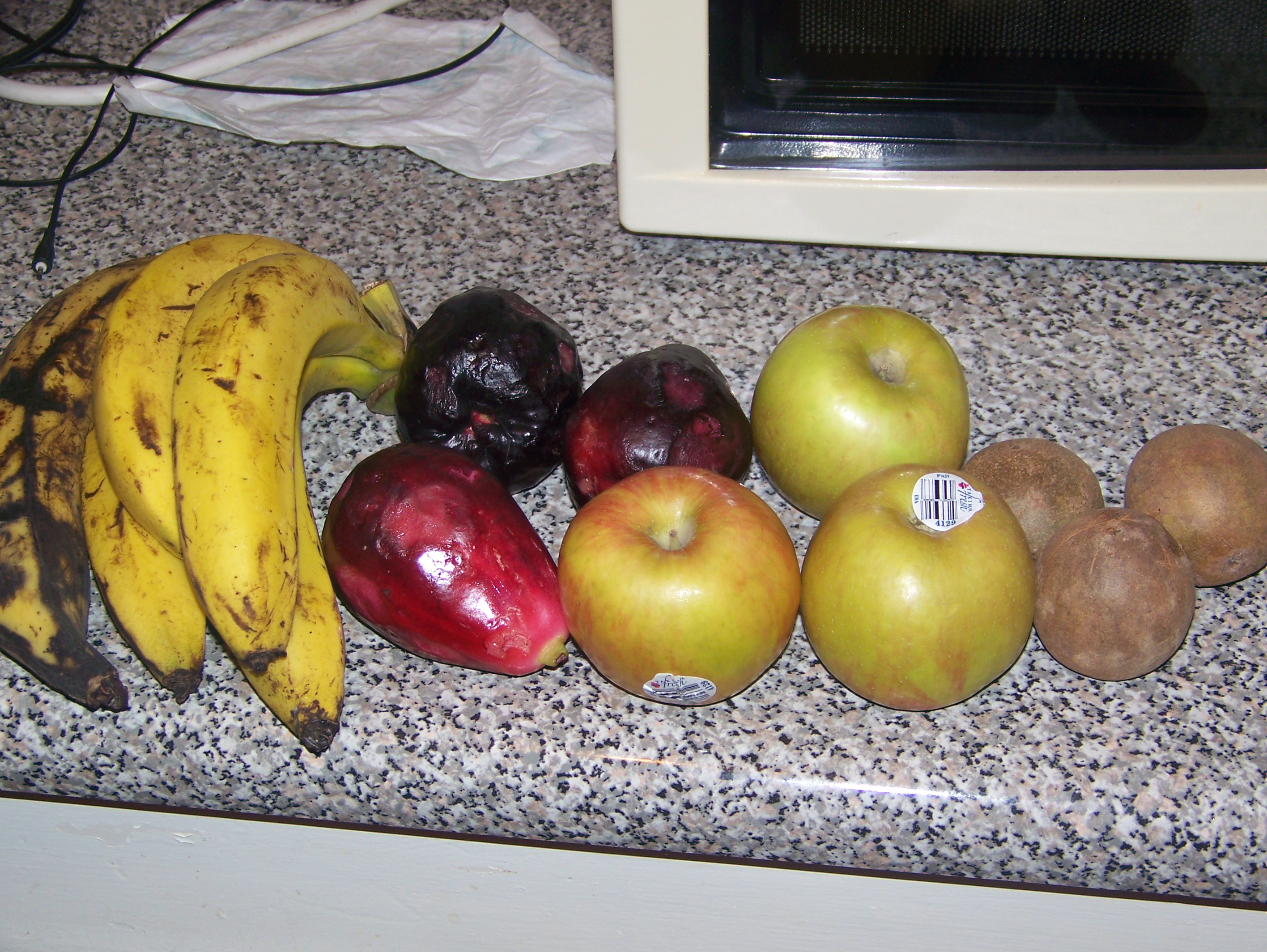
Friday fruit from a friend. Plantain, banana, tahiti apple, regular apple and naseberry. Enjoy your day.