Unknown's avatar

About Kate Chappell

"And all I offer here is the distilled poetry of my existence..." Claude McKay, Poet Laureate of Jamaica, 1890-1848 I have been a reporter since 1998, covering mainly business and politics. I have also capitalized on the many skills journalism requires to become an all-around communications specialist. In addition to being a professional curious person and communicator, I have a bad case of the travel bug and can't seem to stay put. Finally, I have put my skills to work as a volunteer in the community wherever I have lived. Now, follow me as I combine these compartments of my life in Kingston, Jamaica, where I am a writer, reporter, journalist and lecturer.

“The Silent Community” @petchary


I am sharing today a blog by my friend Emma Lewis, who had the courage to write about something I did not. For the past few weeks, this has been weighing on my mind. The murders of two fourteen-year-old girls, both of whom were pregnant. They were sexually abused by older men in their communities. Emma wrote about it, I could not. I am also trying to gather the courage to write about another murder, this time of a young man in Montego Bay.

A friend sent me a recording of his murder on social media. He did not warn me as he had not watched it. I almost threw up, immediately started crying and cannot get the images out of my head. One is left feeling so hopeless, but in the words of my friend, “We keep empowering them.” The “them” he speaks of is LGBT youth who are assaulted, harassed, discriminated against, and yes, killed. You can hear people yelling “Battyman fi dead” in the recording. In other words, kill him because he is gay. I will not post the video, it is too graphic, however, you can likely find it on social media with some diligent searching. Another two youths were assaulted (one may be dead) for the same reason, and this video is also circulating now.

What can we do? What can be done? What should authorities do? Why do human beings do these things to one another? How do you go on when your heart is so burdened? How would the families even start to put their lives back together? There are no answers, as usual, there are only questions.

Lines in the sky


Lines in the sky. Flagler Beach, Florida. Enjoy your Monday.

JA= 3rd most disappointing place to visit?


Photo courtesy of Business Insider Web site

Photo courtesy of Business Insider Web site

Jamaica = third most disappointing place on earth to visit? This is the finding of a Business Insider compilation of a Reddit discussion. Jamaica was third, apparently due to the fact that Jamaicans (I assume those working in the hospitality industries?) expect tips from visitors. Here’s the quote:

“They’re very in your face about tipping and expect money for everything … If you like staying in an all-inclusive resort wallowing on a beach doing nothing but laying about maybe Jamaica is for you. If you’re looking for exploration of nature and culture you’ll be sorely disappointed.”

If what you are expecting on a vacation is to have only positive exchanges in which no one ever asks for anything, then yes, Jamaica might be a disappointment. It is true that it can be a rather aggressive environment for tourists (especially up north). But I don’t really understand how one could be disappointed by the weather, the music, the culture, the food, the physical beauty of Jamaica. Anyway, this feature is only based on online conversations, so take it with a grain of salt. And enjoy your Friday.

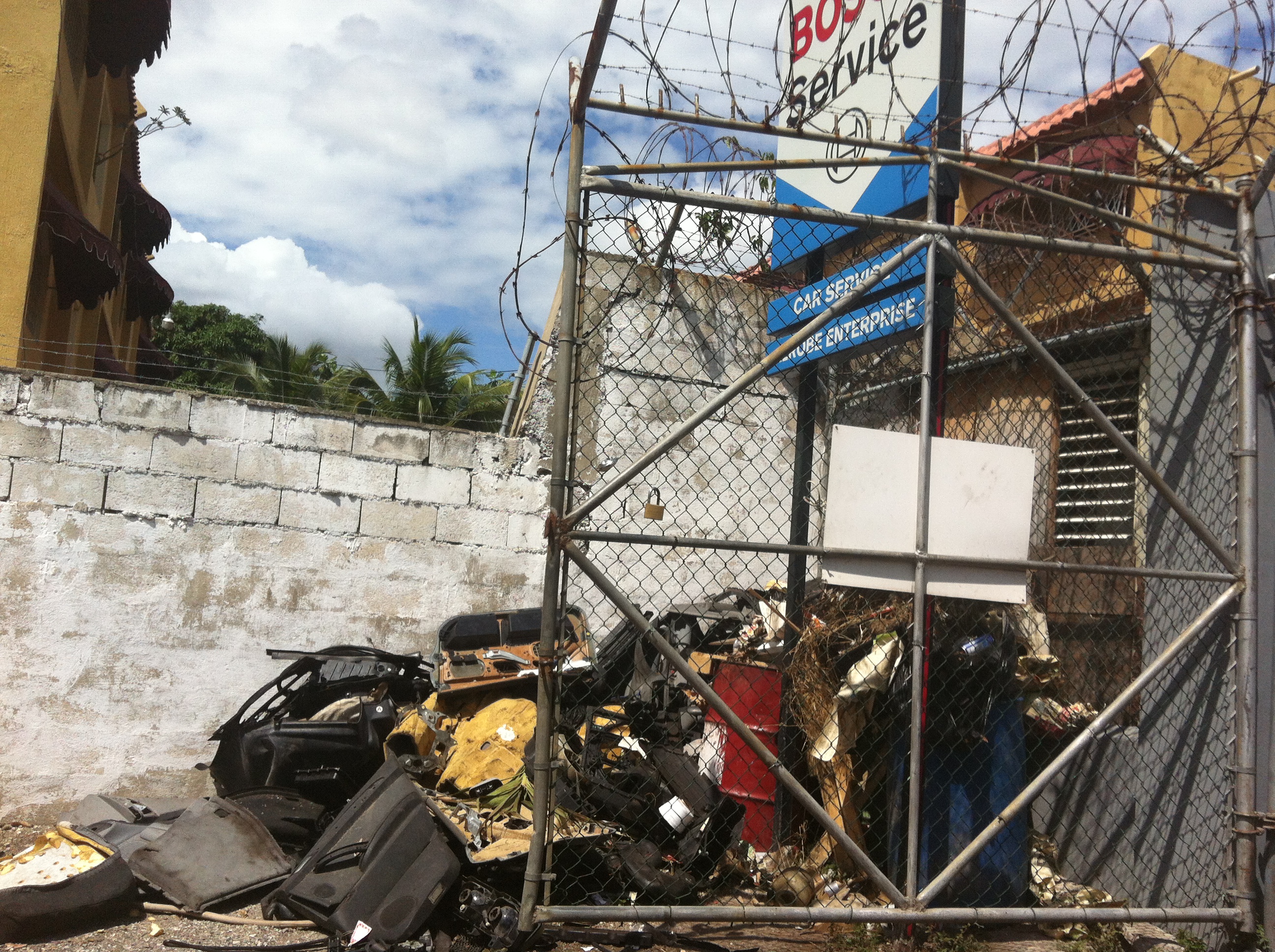
Car graveyard


Car graveyard.

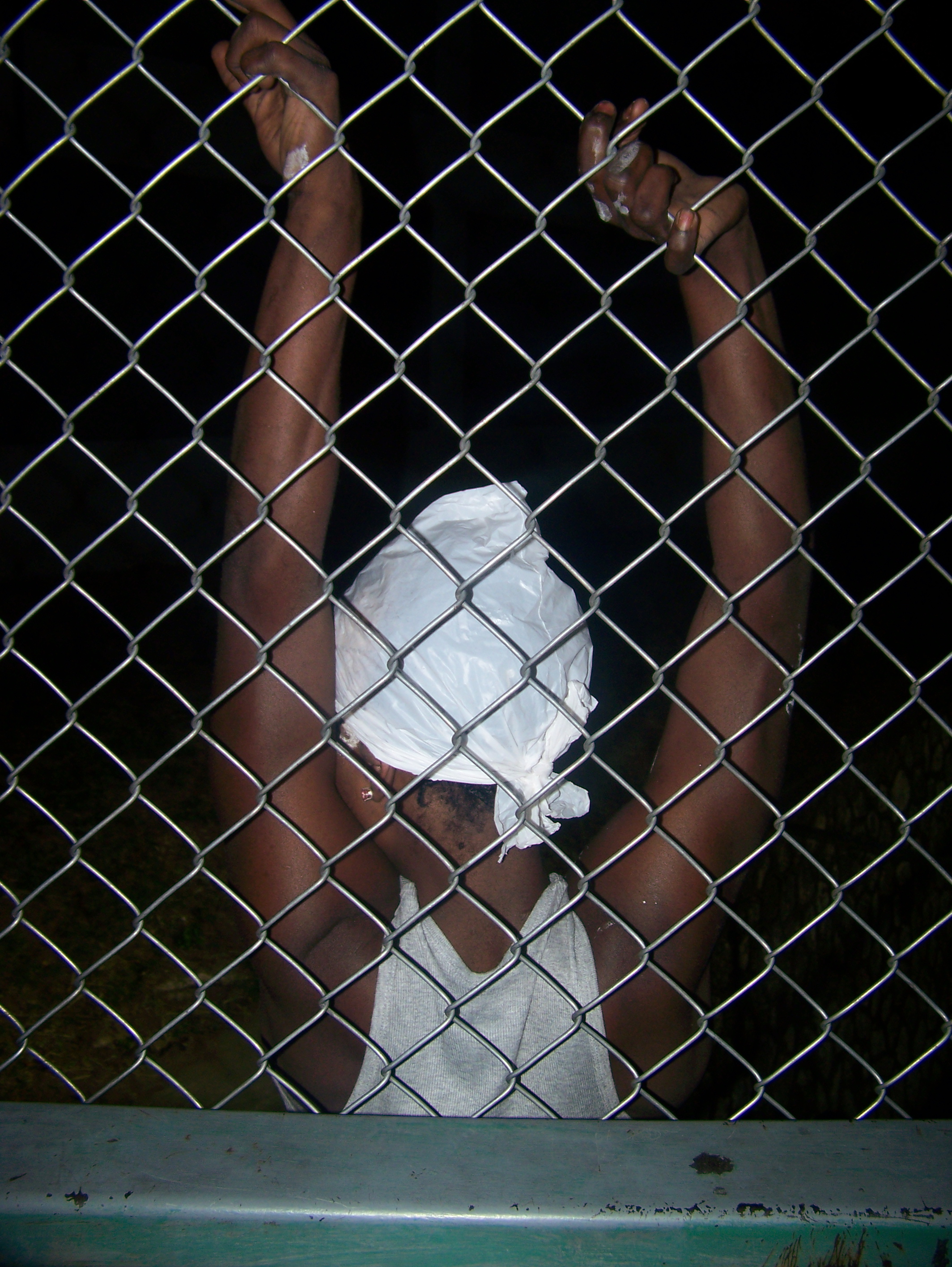
Anthony’s* Story


This is not Anthony, but one of the boys who lived i the Gully.

This is not Anthony, but one of the boys who lived i the Gully.

Life in the garrison, amongst members of the Rat Bats gang, was good for Anthony (not his real name) until he was about 12. “At a younger age, coming up, I had flamboyant behavior,” he says. At that time, people in the community started calling him Dandy Shandy or batty boy and tormenting him. He began to seek comfort in a group of boys he met while going through Halfway Tree on his way home from school. He felt comfortable with them. “I started to meet friends who had my type of behavior,” he says during a conversation at Devon House, one of the few places in Kingston boys like him feel safe to congregate. “Persons in my area started to talk (when he started coming home later). They  discriminate me, call me batty boy. And I had an older brother who always beat me because of my behavior.”

So Anthony started to run away and live on the streets. He is 21, born on June 25, and he has four brothers and two sisters. His mother does not approve of his behavior, but she supports him when he goes home, as do his sisters. Over the years, they have tried to get him to come home to his mother’s farm in Golden Spring, once by promising him food. But the discrimination proved too much and he made the streets his permanent home at about age 13 or 14. He dropped out of high school in grade nine after his peers started to throw chicken bones at him. “The stigma was so high,” he says. So he and three other boys started to walk the streets, staying in “capture” (abandoned) houses. Things were easier then, he says, compared to now, when a group of young men started causing trouble in New Kingston by stealing and harassing people. “No one used to steal anything,” he says. “Fifteen of us stayed together. We’d come on the street at night, and cook and eat and have fun and no one quarreled.”

This is the kind of life, the kind of community, these boys must create as a result of the homophobia, discrimination and sometimes attacks they face in Jamaica. They are uneducated, often homeless and lack the skills to get the employment they need to support themselves.

As for Anthony, things improved a little bit when he was 17 and met a 24-year-old man who became his partner for several years. They lived together but then his partner started to cheat on him so Anthony returned to his mother’s for awhile. “My Mom loved me. She don’t like my lifestyle, but she doesn’t let it bother her. My Dad, I don’t grow with him, it’s not really a tight connection.” But the community started to bear down on him again and Anthony found himself back on the streets, this time in the infamous gully, which is an underground storm drain that a group of young men had lived in until they were kicked out by the police in December 2014.

Anthony was doing sex work to make some money, and at first this life was comfortable enough, as much as an underground drain could be, but then boys from all over started hearing of this community. The crime and fighting started. “It is rough. When I was at the gully, I used to do prostitution work, but since the tiefing started, I don’t want to get caught up in it.”

Anthony again returned home when he fell ill with the flu, but again had to leave, despite the fact that his mother took care of him (“There is no one like your mother,” he says.) . He is back on the streets again, having just completed an employment training course with the Colour Pink Group that he hopes will land him a job and eventually an apartment. “I really enjoyed that course. It is a good thing, and I’m glad I put my best into it.” In fact, Anthony won an award for his performance in the course, which taught a group of 13 boys about customer service and office administration. They received a certificate and an internship, both of which will help them when they seek employment.

But he lacks the necessary clothes, hygienic items, a place to sleep and even food that would bolster his chances of success at the internship he has just started. “The Lord has been providing. I go to church all the time, I ask people (for money) on the street, but sometimes I go a day or two without eating.” Like everyone else, Anthony has dreams. “I’ve always wanted to do my own TV show. I want to be an ambassador for the gay community, maybe open a training centre…I want to be my own boss, be an entrepreneur. But for now, I just have to work on what I have.” For now, Anthony must fight to survive in a hostile environment, with little in the way of defences. “Being gay in Jamaica, it is just very risky. If you have the behavior of a lady, up and down in the streets, you can calm it down, but if you don’t you will have persons attack you.”

Canadian Connection


Canada-High-Com-PM

From the Jamaica Observer: “Prime Minister of Canada Stephen Harper on February 17, 2015 played host to Jamaica’s newly appointed High Commissioner to Canada, Janice Miller after she presented her credentials to him.”

Another Chik V outbreak?


This blog I’m linking to is a little too dramatic, but it appears we are in for another Chik V outbreak in Jamaica. I don’t know how this is possible. Anecdotally, it seems about 75 per cent of the population had the virus last autumn. And we are now hearing that there are at least 20 deaths attributed to the virus. (Finally, the Ministry is admitting what we have been hearing for months now; that dozens of people have died due to complications caused by pre-existing conditions upon contracting the virus).

So I’m not sure how many more people can contract it. We’ve been told you cannot get it again. However, Dr. James Hospedales of the Caribbean Public Health Agency says that there will be another outbreak in a few years as the virus takes its natural cycle. Dr. Hospedales added that CPHA is studying the effects of Chik V. Let’s hope officials are better prepared this time around. As for me, it has just been the past month that I have been pain-free after falling ill last September. Let’s hope it stays this way, as I’m also hearing that there is a nasty flu going around that is causing more Chik V flare-ups.

Colour Pink Group Graduation II


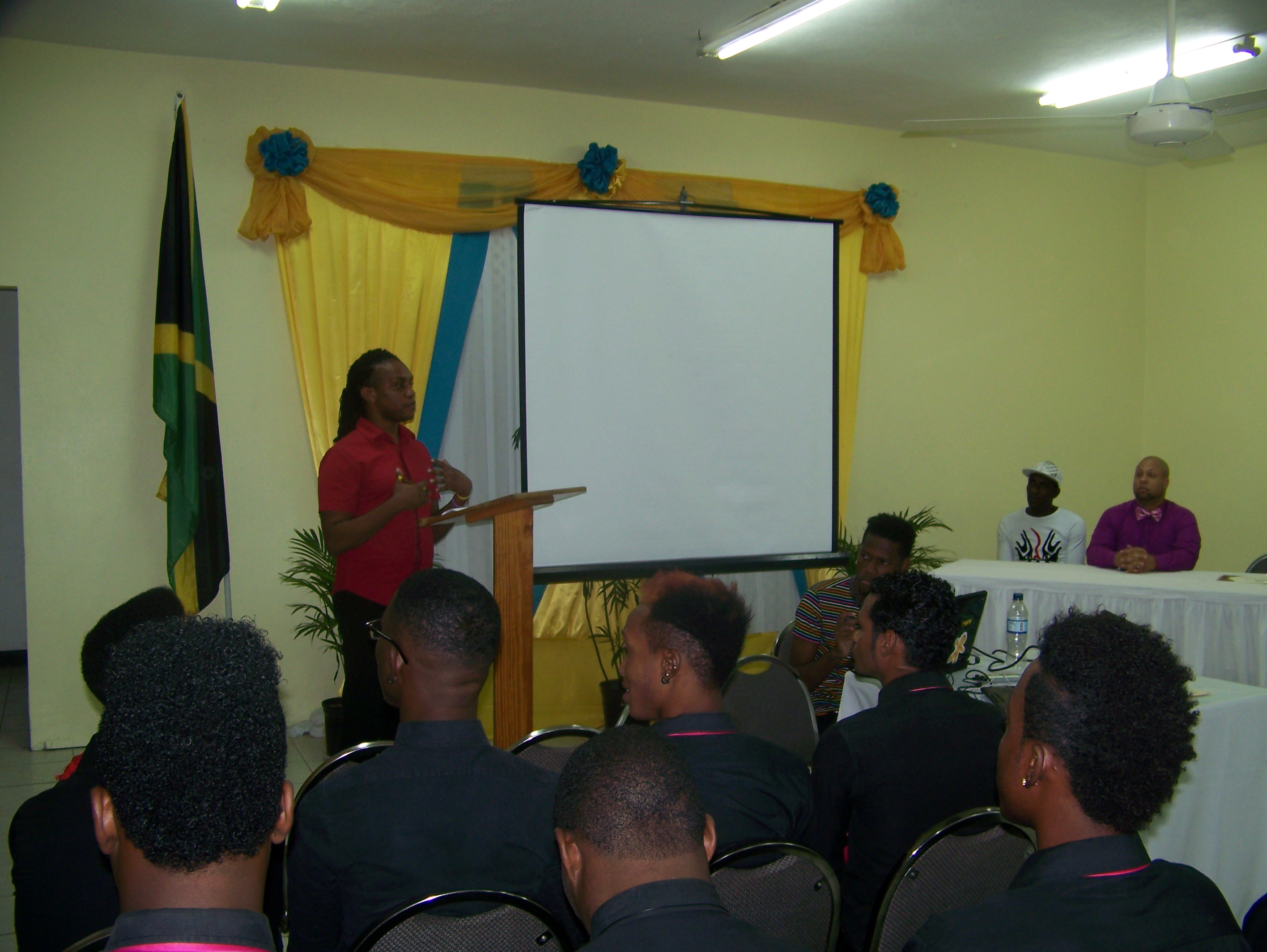
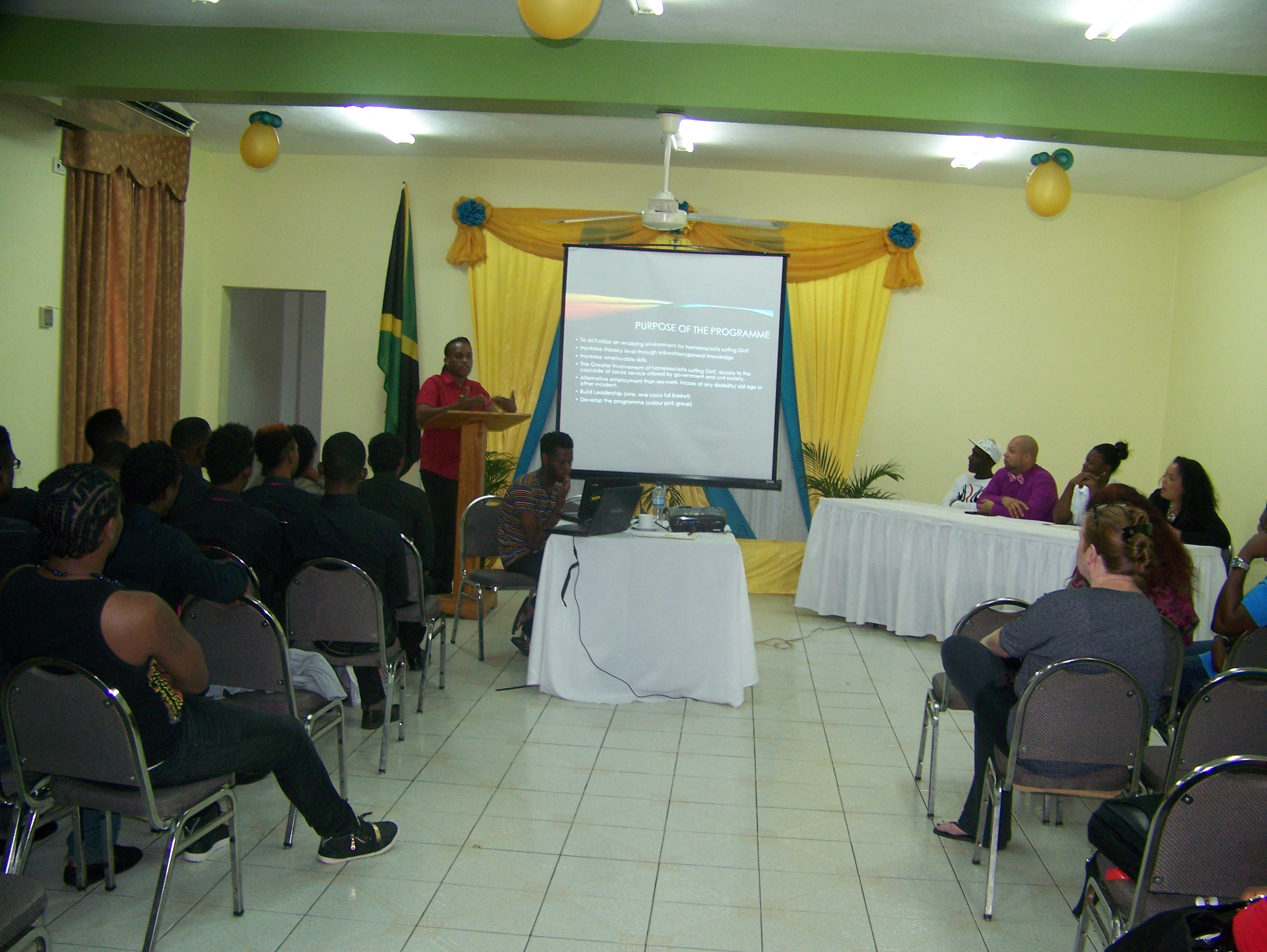
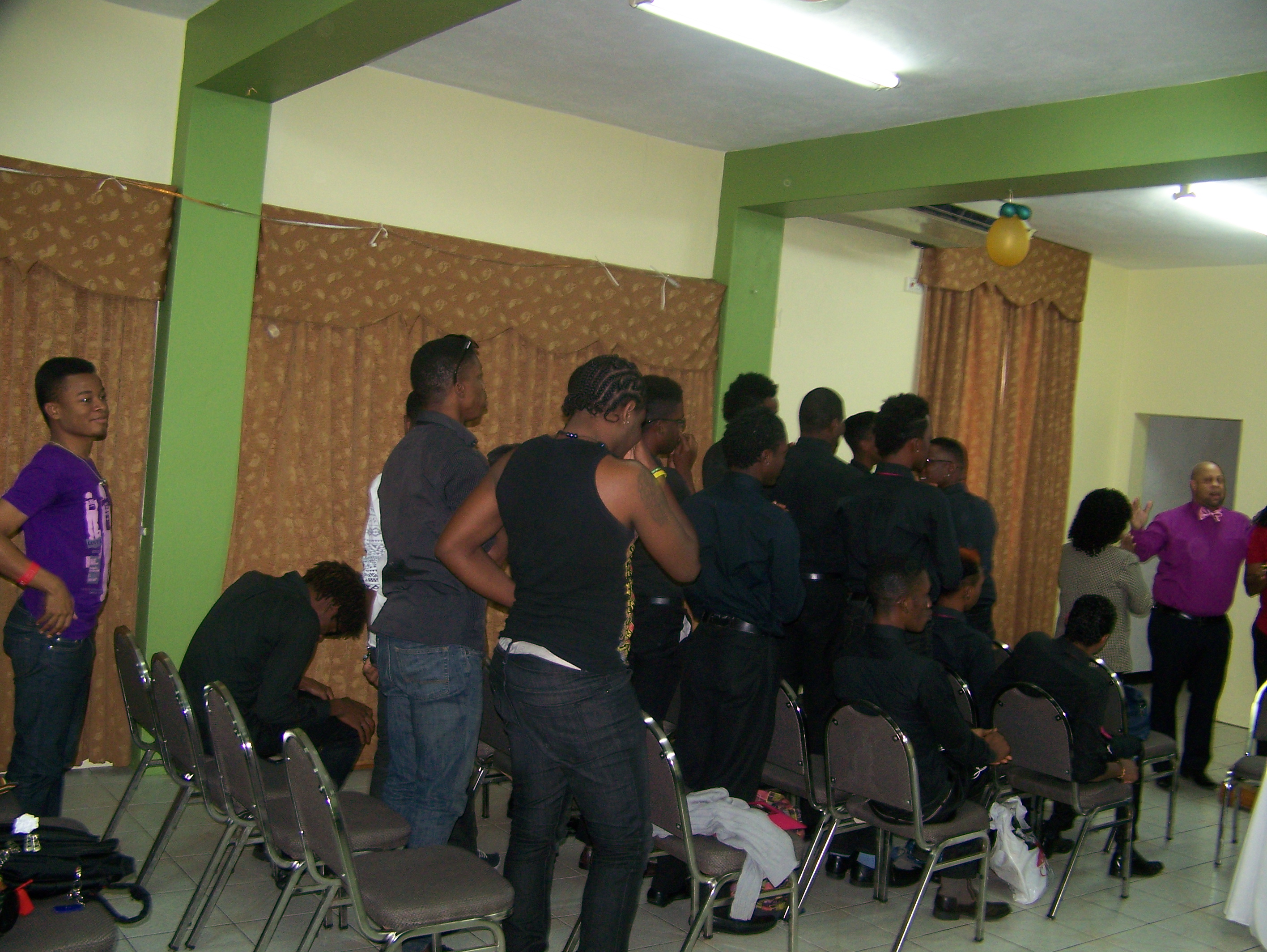
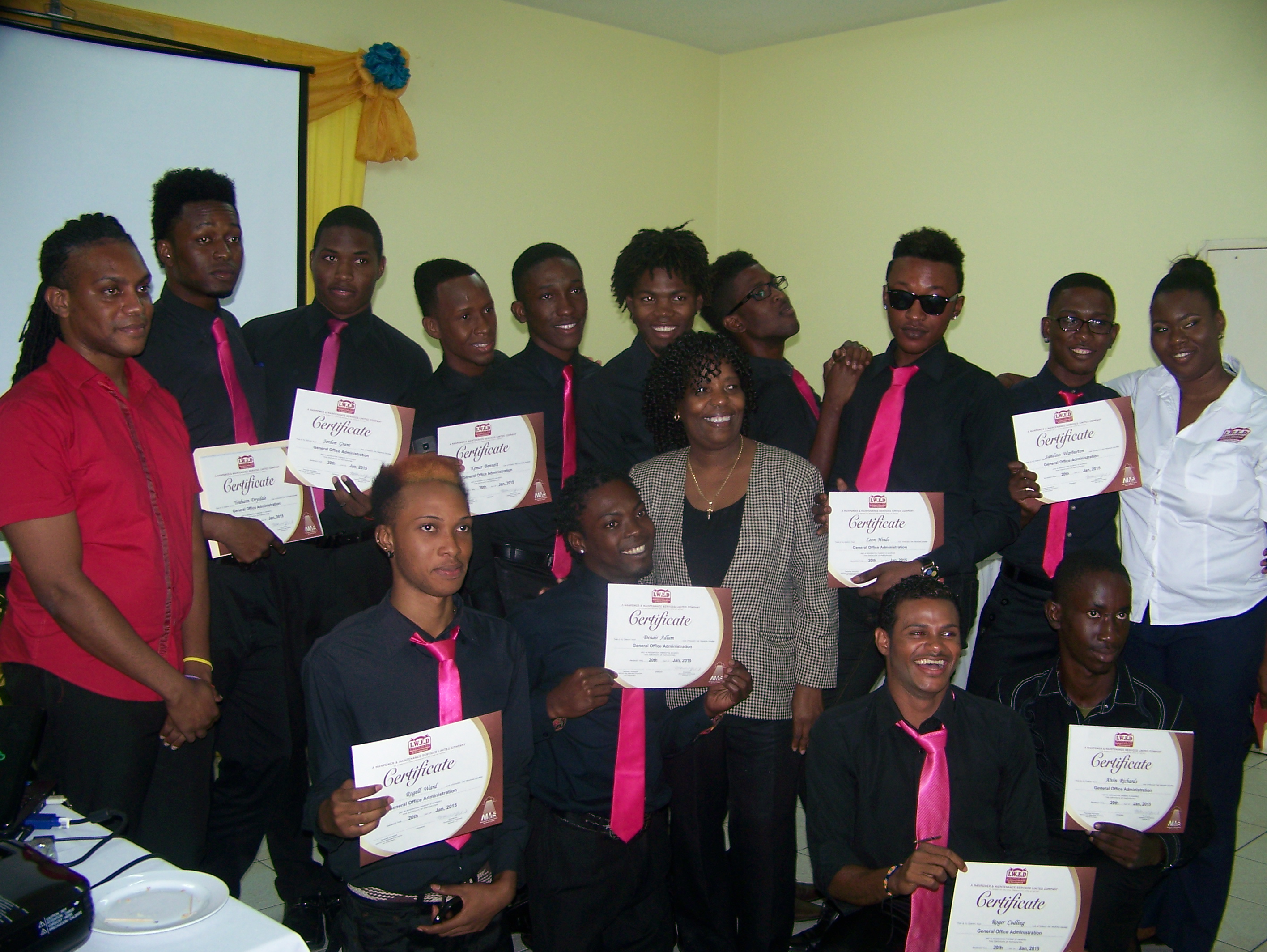
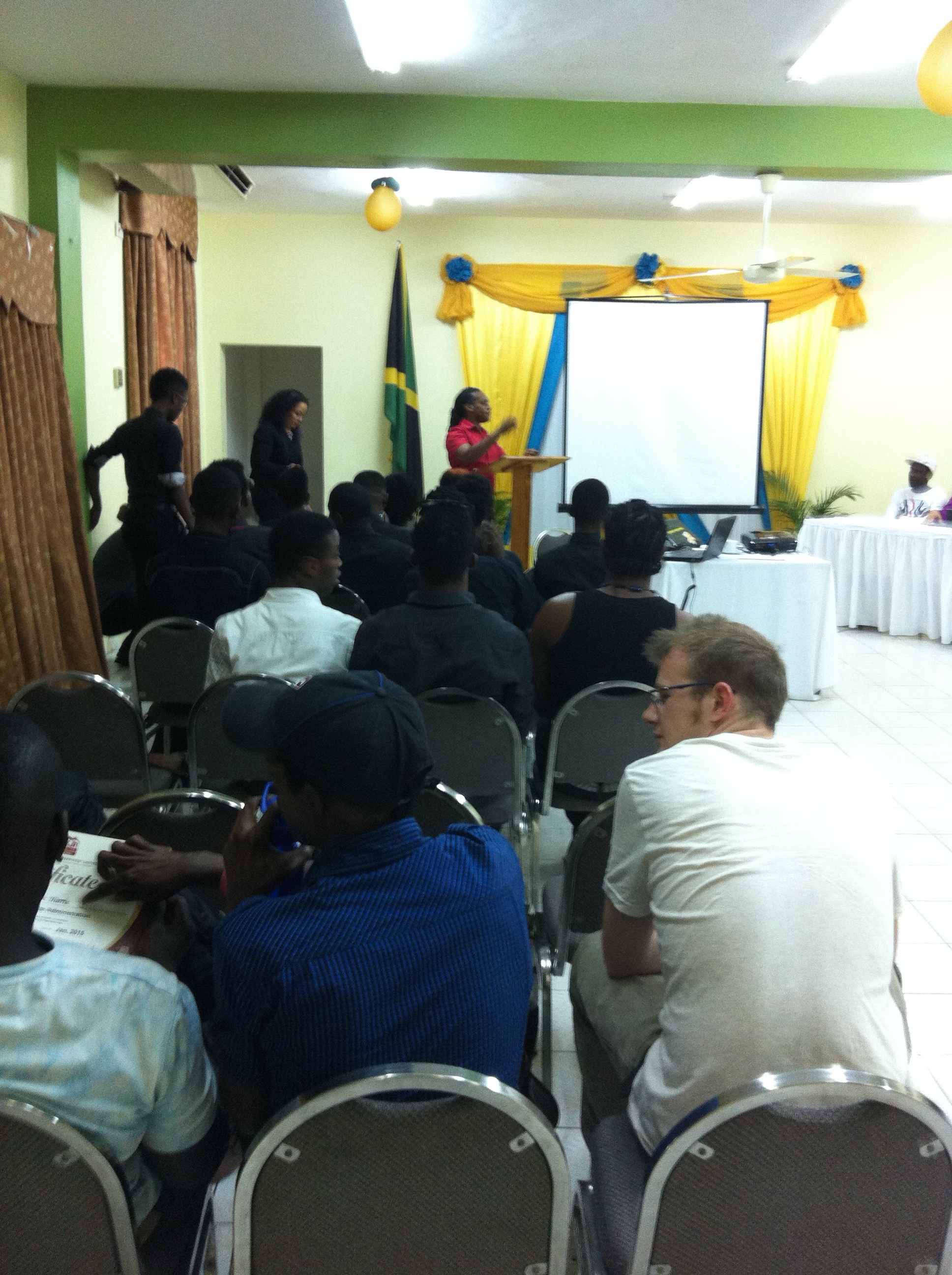
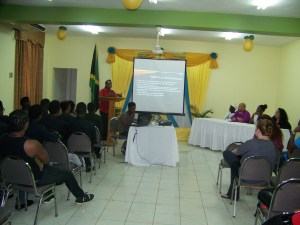
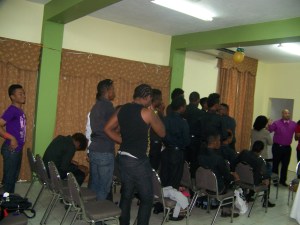
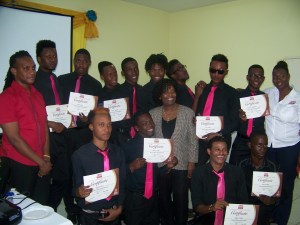
It was an emotional day with some tears, much laughter and a pervading sense of hope. About 50 people gathered at the Shirley Retreat Hotel in Kingston to celebrate the graduation of 12 young men from an employment skills training program. The Colour Pink Group was responsible for this training and this was the graduation of the second cohort. Founded by Jermaine Burton and Astley Gray, the group aims to provide vocational training, education in HIV and sexual health, psychosocial support and mentorship and school homework assistance for young men who face stigma and discrimination as a result of how people perceive them.

“This program helped me in so many ways,” said Kemar, 25. “I can go into the working world and be more intelligent. Trust me, right now, I’m a very good computer person.”

Kemar was one of the 12 who told the audience how the program had benefitted him. “This has been a very fun roller coaster, and I’ve learned a lot and built friendships,” Jordan said. Alvin told the crowd that “this program has done a lot for me. Normally, I’m not an early person, but since I’m in the program, it helped me to be an early person and it teach me a lot in office administration. I’ve been in the street now for awhile and I know I will always make it.”

From the first cohort, Dwayne told the audience that the Colour Pink Group’s programming has been “life-changing” for him. “Trust me, words can’t even explain all I felt about the program. It has helped me tremendously.”

This cohort, which began the journey last fall, consisted of 12 young men who identify as gay, bisexual, transgender, men who have sex with men or sex worker. They received training in office administration and customer service, and all 12 received a certificate, which will help them obtain employment. This course was held every Saturday for several months, and participants had to show up on time (9am) and in uniform (black pants and shirt). Because many of them do not have a stable living environment (they call themselves sofa surfers), nor money for transportation or food, things we take for granted are a challenge. In fact, many of them have not finished high school, let alone have a job, as they face stigma, discrimination and attacks in their communities and from their families. As a result, they lack the education and social skills that their “straight” peers come by easily.

The Colour Pink Group receives financial and other support from entities like UNAIDS, the National Family Planning Board, J-FLAG and Ashy. In addition, the program received support in the form of a government training program called Heart Trust, which supplied a teacher called Miss Alvaranda. “These guys are like my children,” she said. “They stick it out and come down on Saturday. They would call me at nights about homework assignments and some of these guys really have a lot of issues with how people deal with them.” Upon finishing her remarks, Miss Alvaranda told the participants she loved them, and in turn, they shouted back “We love you too, Miss Alvaranda.”

This is the kind of love and acceptance these young men are seeking, not to mention a stable home and employment. “We have a place in society, and we need to claim it back,” Colour Pink Group founder Jermaine told the audience. In particular, he referred to creating sustainable jobs and living situations for a group of young men who live on the streets, most recently in a storm drain, from where they were kicked out in December. They are now scattered all over Kingston, without the community that offered some sense of protection.

In this cohort, of the 12 participants (15 started, but three dropped out), 6 have found part-time or full-time jobs (at Rise Life Management, IWED, Ministry of Health, Ashy and Children First) , an astounding success rate. Thirteen received a certificate and 12 sat the Heart Trust exam, all of which will help with getting hired. Three have pending internships.

“I’m very impressed and proud to see you all stick it through, even with all the funding challenges, and I encourage you to keep pressing through,” said the National Family Planning Board’s Kayan Lue. “I’m very proud of you guys, keep up the good work. Dane Lewis, director of J-FLAG, singled out the accomplishment and dedication of Jermaine, who has been homeless himself. “I’m very proud of Jermaine too,” he said. Miss Campbell of IWED, which also provided training, said she was grateful to see the transition of the young men from the start of the process until now, especially in their deportment and dress.

Telvin, the class valedictorian, gave a wonderful speech, then a beautiful poem was read by the first cohort’s Dwayne.

After these presentations and remarks, everyone was treated to a performance by a participant named Roger, which had all in hysterics. Pictures were then taken and food enjoyed, a moment of respite before these young men must go back on the streets and fight for their survival.
CPG Graduation


Last week, the Colour Pink Group celebrated the graduation of its second cohort of young men who received job training. I am going to write all about the ceremony in a future post, but suffice it to say, it was a lovely and inspiring day. Congratulations to CPG founders Jermaine and Astley.

Flowering


My plant is flowering! A sign of hope and growth for you today.