Unknown's avatar

About Kate Chappell

"And all I offer here is the distilled poetry of my existence..." Claude McKay, Poet Laureate of Jamaica, 1890-1848 I have been a reporter since 1998, covering mainly business and politics. I have also capitalized on the many skills journalism requires to become an all-around communications specialist. In addition to being a professional curious person and communicator, I have a bad case of the travel bug and can't seem to stay put. Finally, I have put my skills to work as a volunteer in the community wherever I have lived. Now, follow me as I combine these compartments of my life in Kingston, Jamaica, where I am a writer, reporter, journalist and lecturer.

Jolly’s


We spent a relaxing evening at Jolly’s, which is a fish restaurant on the “Back Road” in Portmore. Back Road is a strip of hotels, motels, restaurants and shops. It is also where women sell their bodies. They stand outside the hotels, where the rooms rent for about $5 per hour, some of them in only bras and underwear. They holler at the cars driving by.

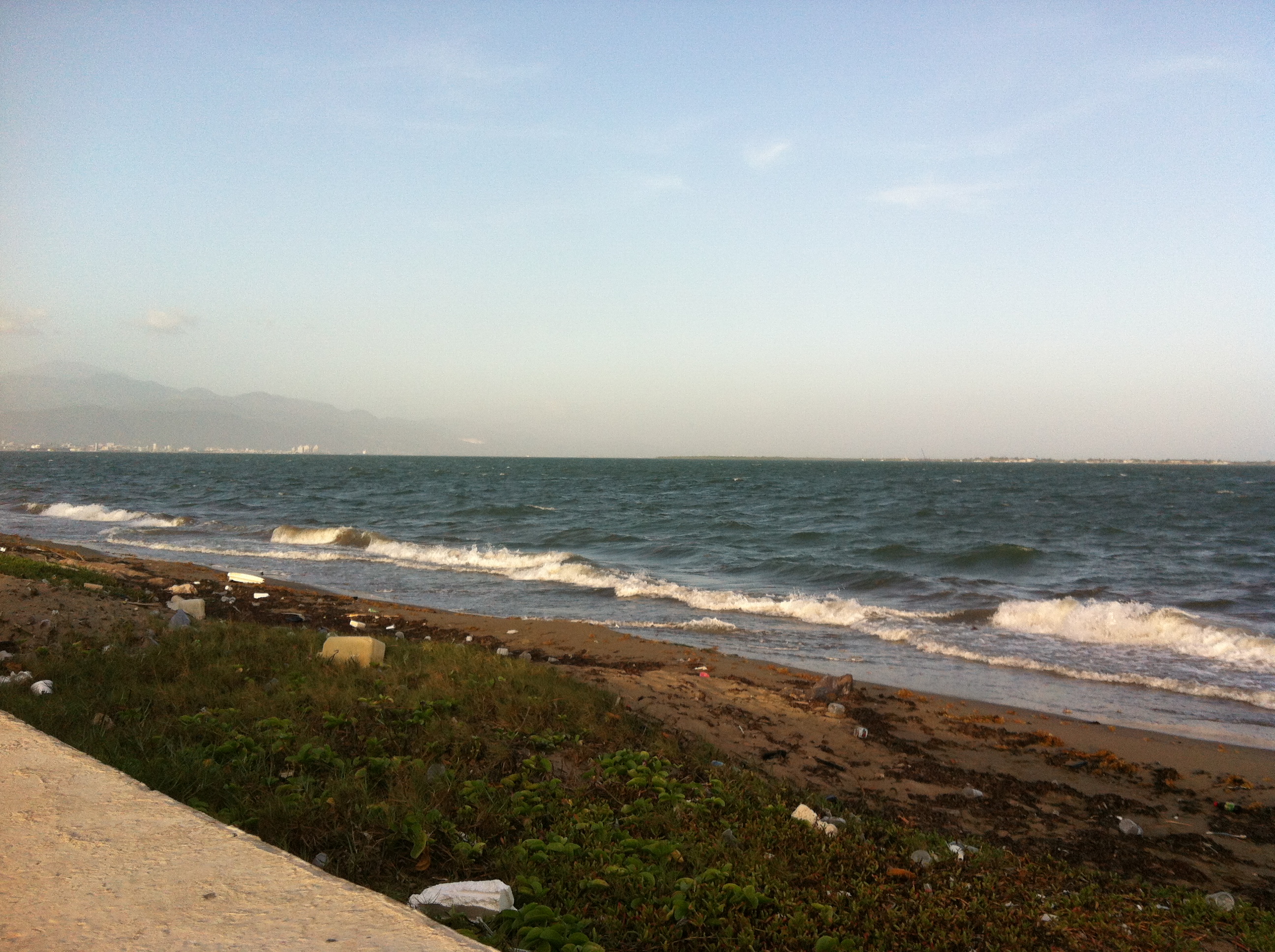
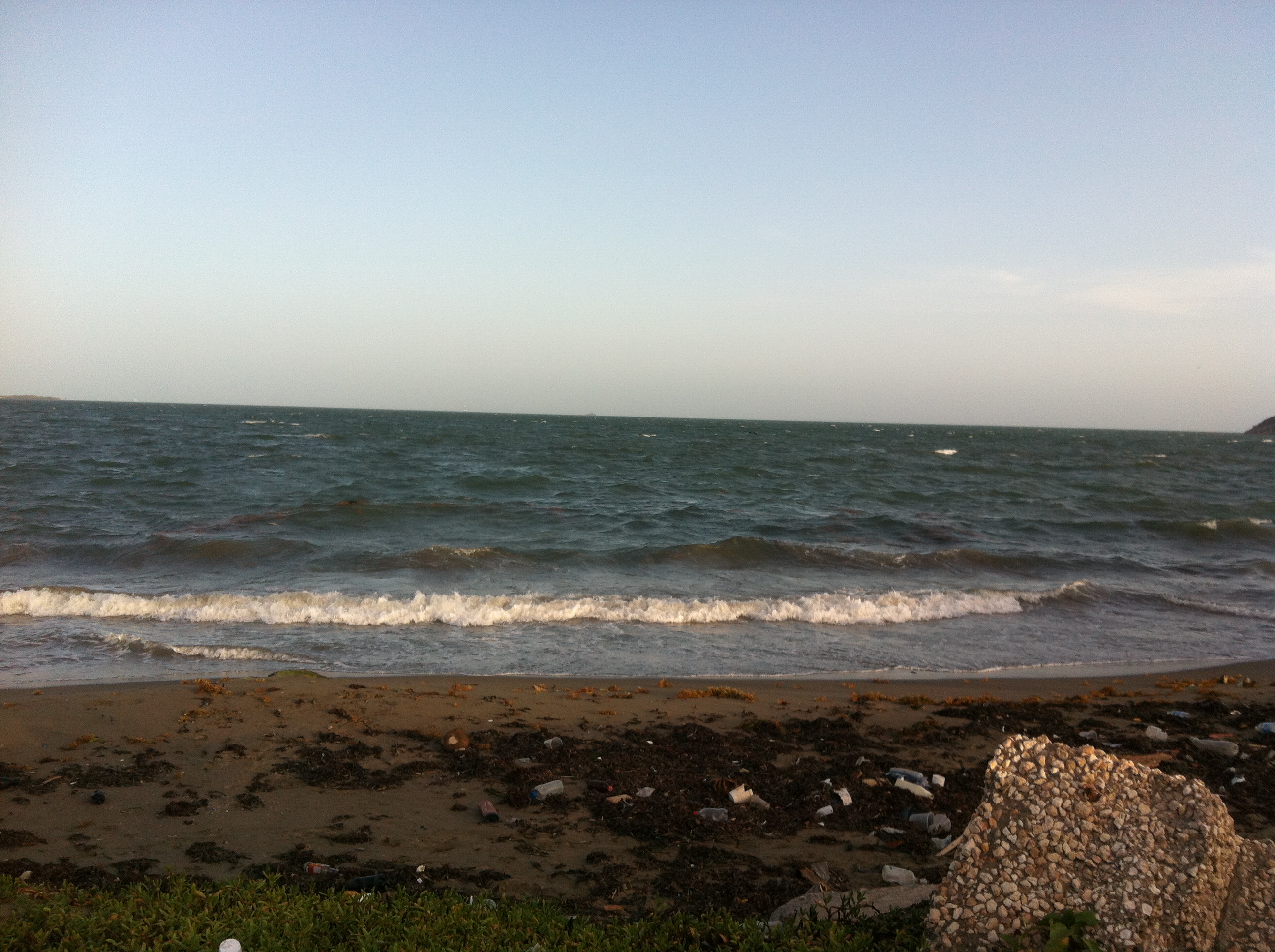
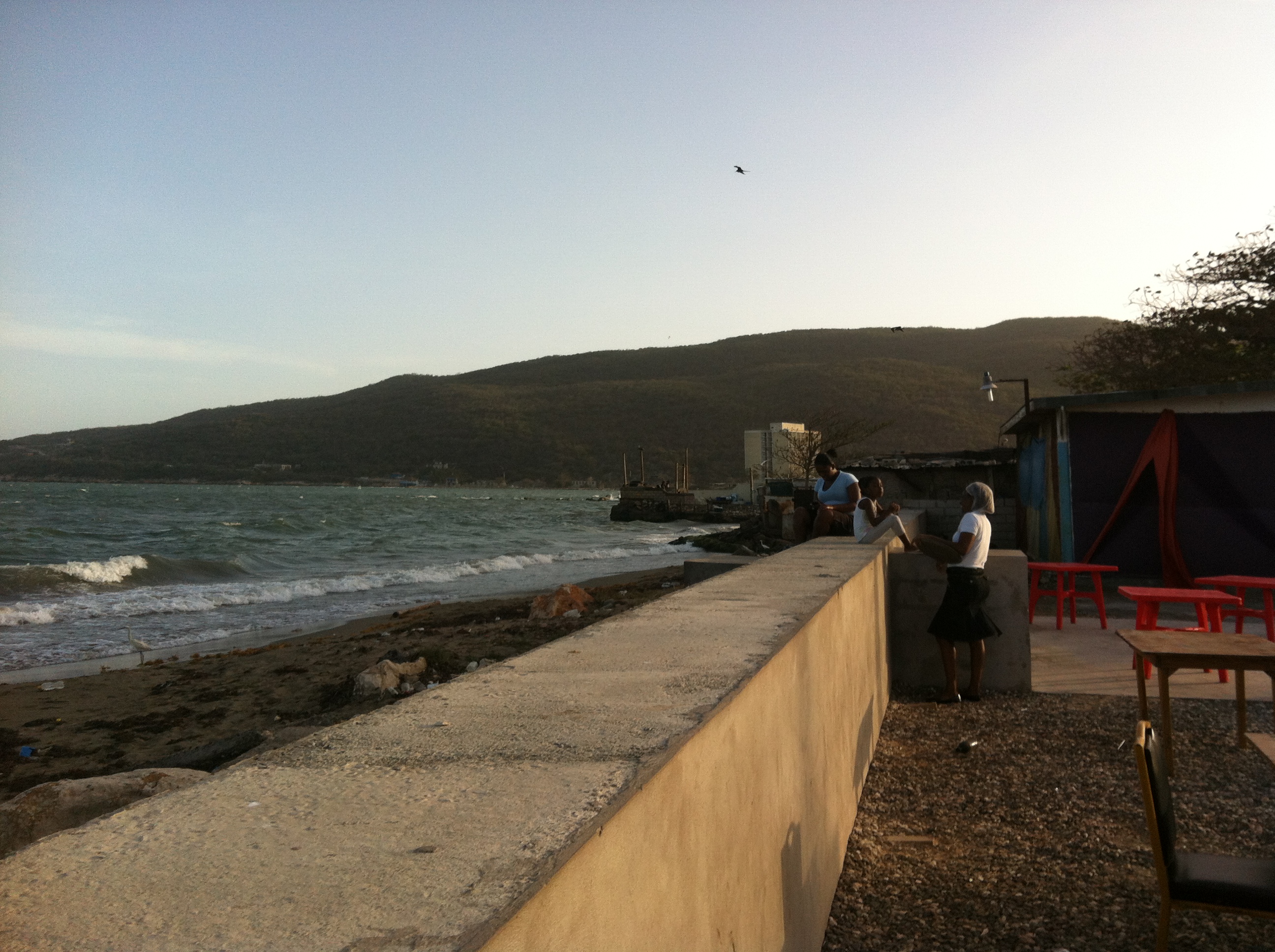
But back to Jolly’s. It serves fish literally right from the ocean. We chose some parrot fish from a large, blue barrel and within minutes, it was served to us as we ate by the shore. We could see Kingston in the distance, as well as the airport landing strip. The pelicans hovered in the strong wind and of course, loud music was playing, this time some oldies from the fifties. It is always so striking how just a short ride can take you away from the craziness that is Kingston.

Re:Imagine Brand Jamaica Symposium


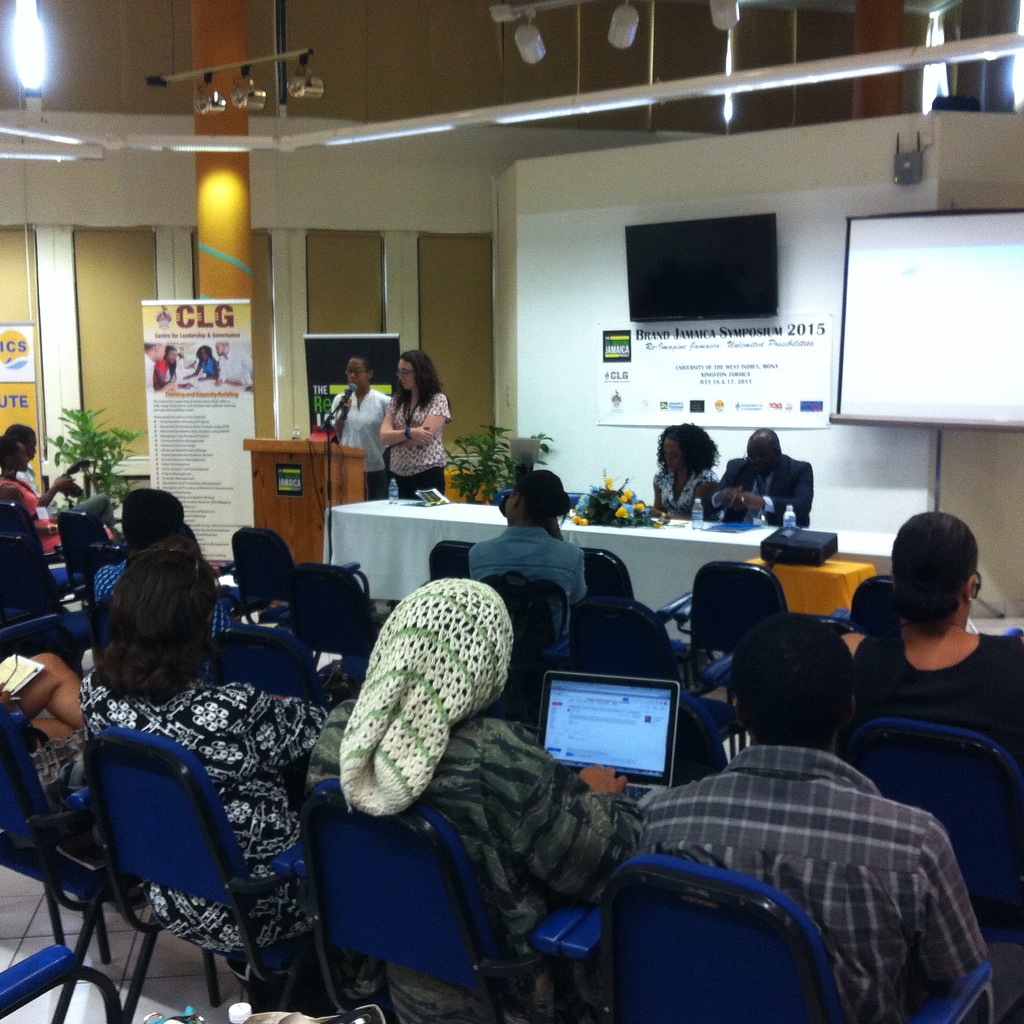
The Re:Imagine Brand Jamaica Symposium yesterday. I will be presenting today!

Mystic waters


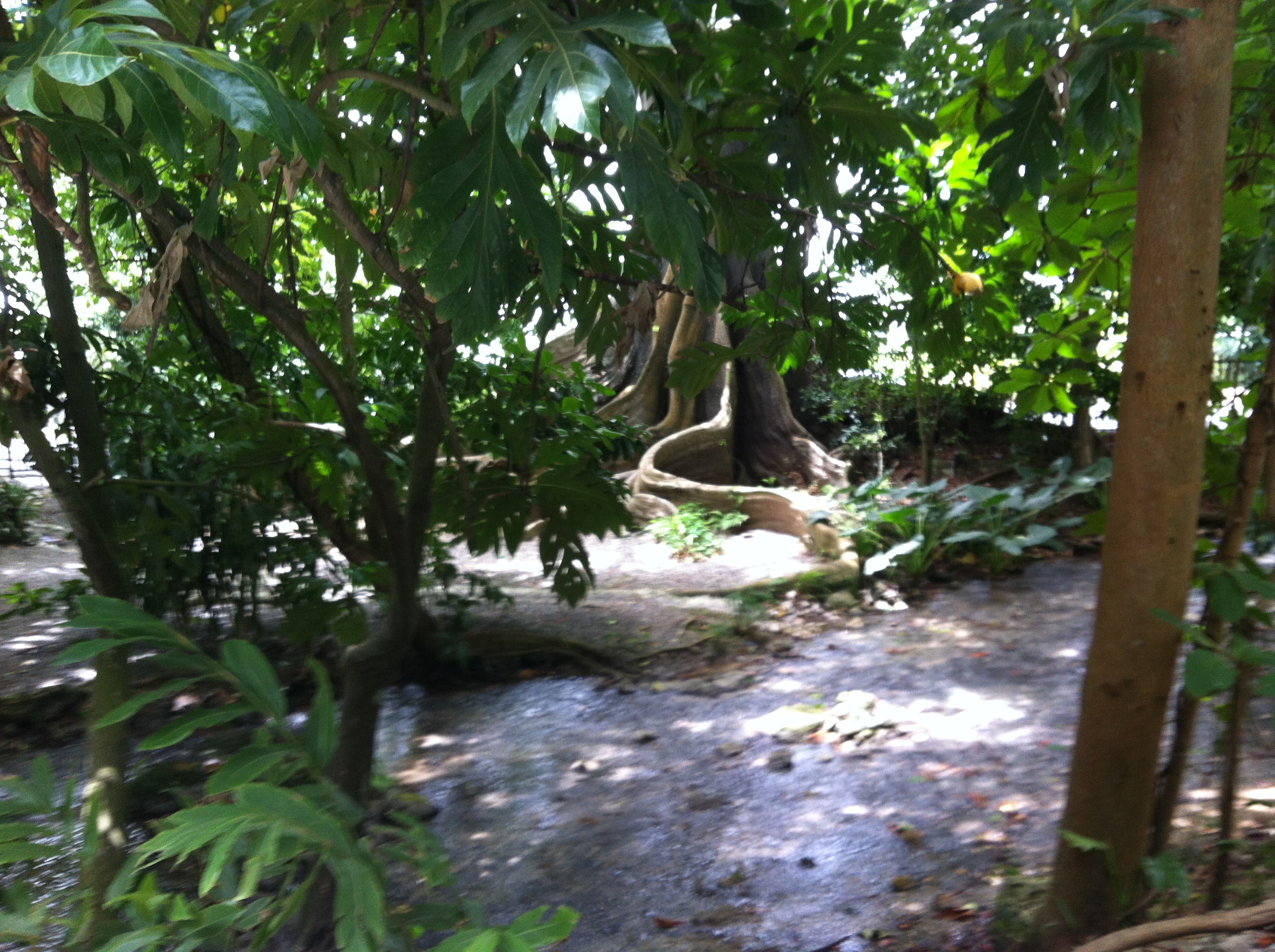
A stream under the cool canopy at Mystic Mountain in Ochi.

Murder rate on track to increase again


There have been more than 600 murders in 2015, which puts the country on track to increase its annual murder rate to about 1,200. Last year, it was at the lowest level in several years, at 1,005. Authorities attribute the increase in the murder rate to the lottery scam and identify the parish of St. James as the source of most of the problem.

However, in a desperate spinning attempt, the Minister of National Security says that other crime rates such as rape, “accusatory crimes” and others have decreased. How do you feel good about any of this? Why even attempt to spin it?

In Parliament yesterday, the Minister outlined a new strategy for combatting crime, which includes more vehicles on the road, (60 motor bikes, 45 patrol cars, 27 pickup trucks, four trucks and three buses) an audit of all firearms, upgrade of the fingerprint system and more social interventions. More wheels on the road, knowing how many guns police have, better tracking systems for criminals and increased presence in vulnerable communities. It just seems authorities are always running to catch up to criminals.

Here are Minister Bunting’s words from Parliament:

“For almost five years since 2011, Jamaica has averaged about 1,100 murders per year well below the all time peak of 1,692 in 2009. While the average has been around 1,100 the actual figures have been within a band of 1,000 to 1,200. Last year was the lowest in a very long time recording 1,005 murders.\

If we continue at the same rate as the first half of the year, the 2015 figures will end at approximately the 2013 figure of 1,200.
We are all very concerned about reversing the gains we made last year, but those of us who have been studying this problem over many years understand that progress will not always be on a straight line basis. There will be setbacks.

Paradoxically, the figures for other categories of serious and violent crimes are all down. Shootings are down by 8%, Rape down by 25%, and Aggravated Assault down by 14%. Acquisitory crimes or robberies are also down by 16%.

So what we are experiencing this year is not a general surge in crime but rather a spike in murders.”

ReImagine JA


Here is a little more information about the Brand Jamaica Symposium being held this Thursday and Friday up at the University of the West Indies. I will be presenting on Friday, the schedule is below for those who are in Jamaica. Come check it out!

9:00 – 9:15AM 9:15 – 10:30AM

Re:Imagine Jamaica: Unlimited Possibilities A Brand Jamaica Symposium

University of the West Indies, Mona Campus, July 16-17, 2015

CONFERENCE THEMES AND DRAFT PROGRAMME DAY 1 – THURSDAY, JULY 16, 2015

Opening Remarks

Introductions and Conference Goals

Brand Jamaica and Identity: Defining Jamaica on its Own Terms

This panel will explore how Jamaica may define itself on its own terms, and make claims to its own identity based on the consensus of all stakeholders.

CHAIR: Dr. Kamille Gentles-Peart, Associate Professor, Roger Williams University, USA, and Scholar of West Indian Diaspora

PRESENTERS:
Dr. Hume Johnson – Chairman, The Re:Imagine Jamaica Project and Assistant Professor of Public Relations, Roger Williams University, USA
The Brand Jamaica Dialectic

Re-imagining Tourism: Beyond Sand, Sun And Sea

This panel will discuss the contemporary approach to tourism campaigns and promoting Jamaica. It seeks to re-imagine tourism beyond the sun, sand and sea, as well as new innovative ways of attracting visitors to the country.

CHAIR: Hon. Raymond Pryce – Member of Parliament, North East, St. Elizabeth

PRESENTERS:
Zachary Harding – President, Phoenix Group, and Former Deputy Director, Tourism Re:Imagining Tourism in Jamaica: New Trajectories; New Vistas

Sydney Henry – Project Director, Sandals Foundation
Expanding Tourism Beyond Sun, Sand and Sea – The Sandals Synergy

Nicola Madden Greig – President, Jamaica Hotel and Tourist Association (JHTA) Branding Kingston: Role of Parish Brands in Positioning Brand Jamaica

Alana Osbourne – PhD. Candidate, University of Amsterdam, the Netherlands
1

10:40 – 12:00PM

Dr. Moji Anderson and Dr. Erin MacLeod – Senior Lecturer, Anthropology, UWI Mona;

Lecturer, Cultural Studies, UWI Mona

Back to the Brand: Inequality and Alienation through “Brand Jamaica”

Cordel Green – Executive Director, Jamaica Broadcasting Commission

UnMasking Jamaica: Who are We? Who Would We Like to Be?

12:00 – 1:00PM

1:30 – 3:00PM

Imaginary Tourisms: Aestheticizing Poverty and Violence in Trench Town, Jamaica

*LUNCH* Special Presentation:

Michael McMorris – CEO, Kronos Investment and Board Chair, VMBS

Popular Culture, Creative Industries and Brand Jamaica

This panel explores the ways in which the Creative Industries may be mobilized to develop, promote and project Jamaica’s multifaceted image to the world.

CHAIR: Carole Beckford – Film Commissioner and Manager, Creative Industries, JAMPRO

PRESENTERS:
Dr. Donna Hope-Marquis – Senior Lecturer and Director, Institute of Caribbean Studies Let’s Dance: Branding Jamaica Through Dancehall’s Creative Industries

Tanya G Davies – Lecturer, Video Production and Illustration, University of Technology (UTECH)
The Soft Economy: Producing, Marketing and Branding Jamaica the Korean Way

Saudicka Diaram – Journalist
The New Image of Dancehall: Captivating the World?

Dr. Deborah Hickling – Chair, InterMinisterial Technical Working Group, National Cultural and Creative Industries Commission, OPM, Jamaica
Creative Economic Policy Development: The Case of Jamaica

Who Owns Jamaica?: Protecting Jamaica’s Symbols and Identity

This panel will address the governance and management of Jamaica’s intellectual property, highlighting contemporary practices and challenges including usage, contamination and exploitation of national symbols, as well as how Jamaica may leverage its symbols for economic advantage.

CHAIR: Patrick Barrett (aka ‘Tony Rebel’) – Reggae Artiste & Promoter

PRESENTERS:
Troy Folkes – Master’s Student, Cultural Studies, UWI Mona Capitalising on Brand Jamaica through Music and Sports

Natalie Corthesy – Attorney-at-Law, PhD Candidate, Queen Mary University of London Thinking Outside the Brand – From Nationalism to Competitiveness

Lilyclaire Bellamy – Executive Director (Acting)/Legal Counsel, Jamaica Intellectual Property Office (JIPO)
Jamaica’s Copyright Agenda

Governance and Jamaica’s International Image

This panel will explore the impact of Jamaica’s reputational challenges (perceptions of poor human rights record, homophobia, crime and police brutality, corruption etc.) on the country’s global image, and develop measures to address, counter and challenge them.

CHAIR: Sharon Hay Webster – Talk Show Host, Former Member of Parliament PRESENTERS:
3:10 – 4:30PM

4:40 – 6:00PM

2

Dr. Lloyd Waller – Senior Lecturer and Director, Centre for Leadership and Governance,

UWI

Values and Attitudes: Their Role in Re:Imaging Jamaica

Jaevion Nelson – Human Rights and Development Practitioner

Opportunity in Crisis: (Re)Presenting Jamaica – The Most Homophobic Place on Earth

Dr. Anna Kasafi Perkins – Researcher and Lecturer, UWI

Brand Jamaica and the Economic Cost of Homophobia: Beginning the Conversation

***

KEYNOTE ADDRESS

Venue: Undercroft Building, UWI, Time: 7:00pm
Samantha North – Nation Brand Specialist and Journalist (Istanbul Turkey)

Trends in Nation and Place Brands Around the World

CHAIR – Cordel Green, Executive Director, Broadcasting Commission of Jamaica *****

END OF DAY 1

3

9:00 – 9:30 AM

9:40 – 11:00 AM

DAY 2 – FRIDAY, JULY 17, 2015

SPEAKER SESSION:

Dr. Kadamawe K’nIfe

Lecturer, Mona Business School, University of the West Indies, Mona

JAMAICA: A Place of Choice to Do Business?: Perspectives from the
Business Sector
This panel will explore the intersections between Jamaica’s reputation and brand image, and its ability to attract foreign direct investment, and opportunities for leveraging products and services for economic benefit. Speakers will address the issues and variables that both deter and appeal to investors.

CHAIR: DiMario McDowell, Entrepreneur and Creative Designer

PRESENTERS:
Stephen Johnson – Research Fellow, Centre for Leadership and Governance, UWI, Mona Brand Jamaica and the Domestic Trade Value Chain

Roselyn Fisher –

Beyond the Track: Building Jamaica’s Sports Brand and Economy

This panel explores the ways in which Jamaica’s sports image may be expanded beyond Track and Field, and how the country may better harness the global capital accrued from this industry to create a more complex image of Jamaica.

CHAIR: Donald Oliver – Sports Broadcaster and Commentator PRESENTERS:

*LUNCH*

Jamaica To The Worl’: Brand Jamaica, Global Reputation and Community Relations
This panel explores how Jamaicans and Jamaican organisations, both at home and abroad, treat and are treated by various publics, and the consequences for Jamaica’s global image.

11:10 – 12:30PM

12:30 – 1:30PM 2:00 – 3:20PM

Research Council, SRC)

General Manager, Marketech Limited (A Subsidiary of the Scientific

Leveraging Jamaica’s Nutraceutical Products for a Global Market

Delano Seiveright – Director of the Cannabis Commercial and Medicinal Research

Taskforce

Ganja as Commodity: Economic Prospects for Jamaica

Dr. Julian Cresser – Sports Researcher and Lecturer, Dept of History, UWI Mona

Sport and the Construction of National Identities in an Age of Globalization

Karen Madden – Sports Reporter and Analyst, RJR Communications Group

Playing Ball – The Closely Guarded Secret of Success for Brand Jamaica

Dr. Dennis Howard – Managing Director, Institute of Cultural Policy and Innovation

Branding, Football Philosophy and Marketing Jamaica Through the Reggae Boyz

4

3:30 – 5:00PM

CHAIR: Kathy Francis McClure – Management Consultant

PRESENTERS:
Hope McNish – Human Resources Management Consultant
Jamaica “No Problem”: Achieving The Consumer Service Image Fit for Brand Jamaica

Dr. Kamille Gentles-Peart – Associate Professor, Roger Williams University, USA, and Scholar of West Indian Diaspora
Voices From the Diaspora: Brand Jamaica and the Lived Realities of Jamaicans Abroad

Hon. Arnaldo Brown – Minister of State, Foreign Affairs and Trade (with responsibility for Diaspora Affairs)
Brand Jamaica and the Jamaican Diaspora

Communicating Brand Jamaica: Challenges & Opportunities

This panel will explore how Jamaica may handle communication challenges during times of crisis (e.g. natural disasters, political unrest, outbreaks of disease, etc.), as well as how to deploy the internet to reposition the Jamaican brand, and create and disseminate a more complex narrative about Jamaica to the world.

CHAIR: Saudicka Diaram – Journalist PRESENTERS:

Gordon Swaby – Internet Entrepreneur
Using the Internet to Push Jamaican Informational Products: The Case of EduFocal

Closing Remarks and Reception

RECEPTION

Venue: Undercroft Building, UWI, Time: 5:00pm – 7pm?? *****

END OF DAY 2

***

5:00 – 7:00PM

Stacy-Ann Hayles – Online Marketing Consultant and Trainer

Repositioning Brand Jamaica: A Social Media Approach

Kate Chappell – Journalist, Blogger, Canadian Volunteer, Cuso International

Jamaica: Land of Wood, Water and ChikV?

5

How is Ochi?


IMG_0844 IMG_0845

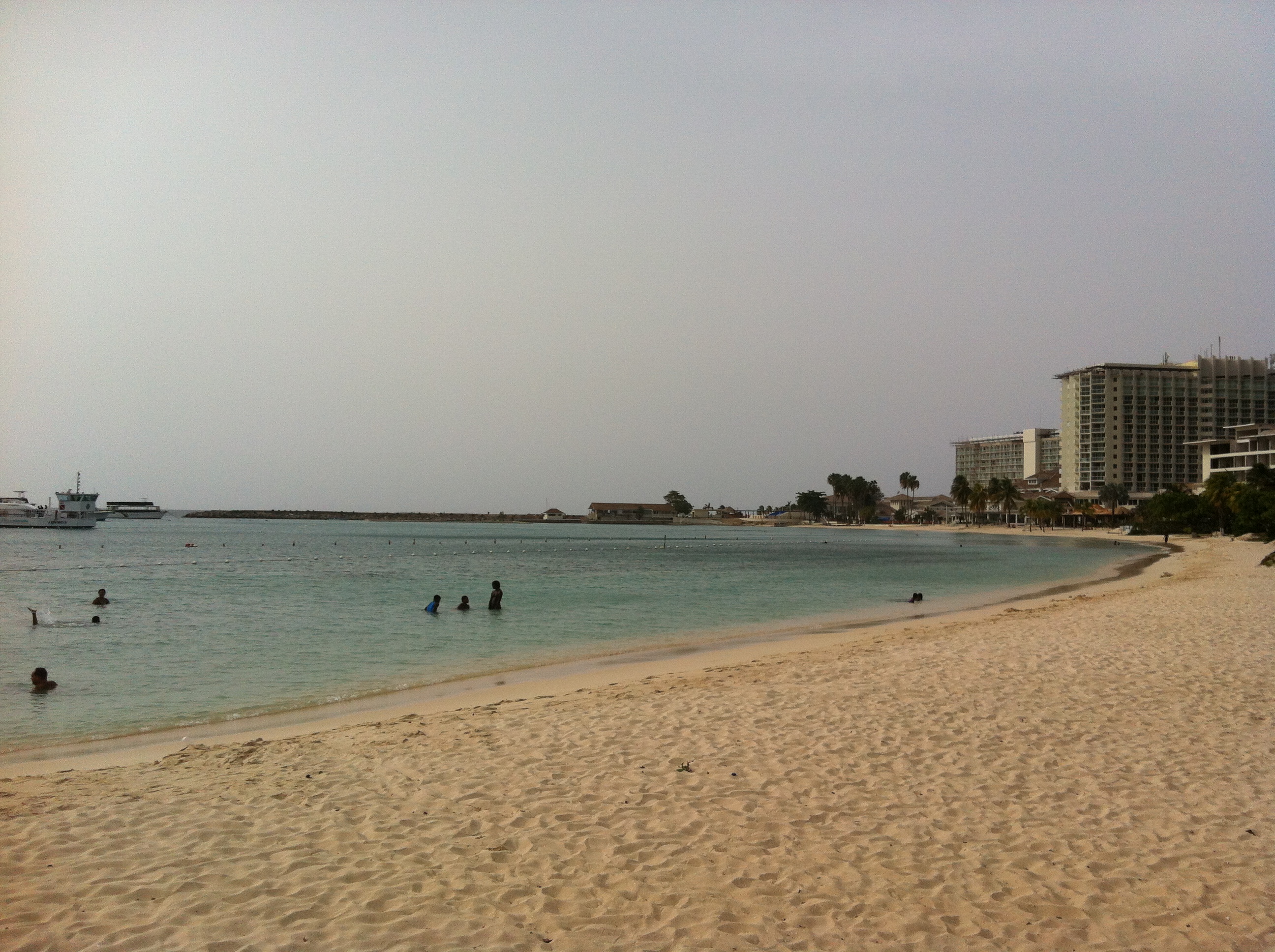
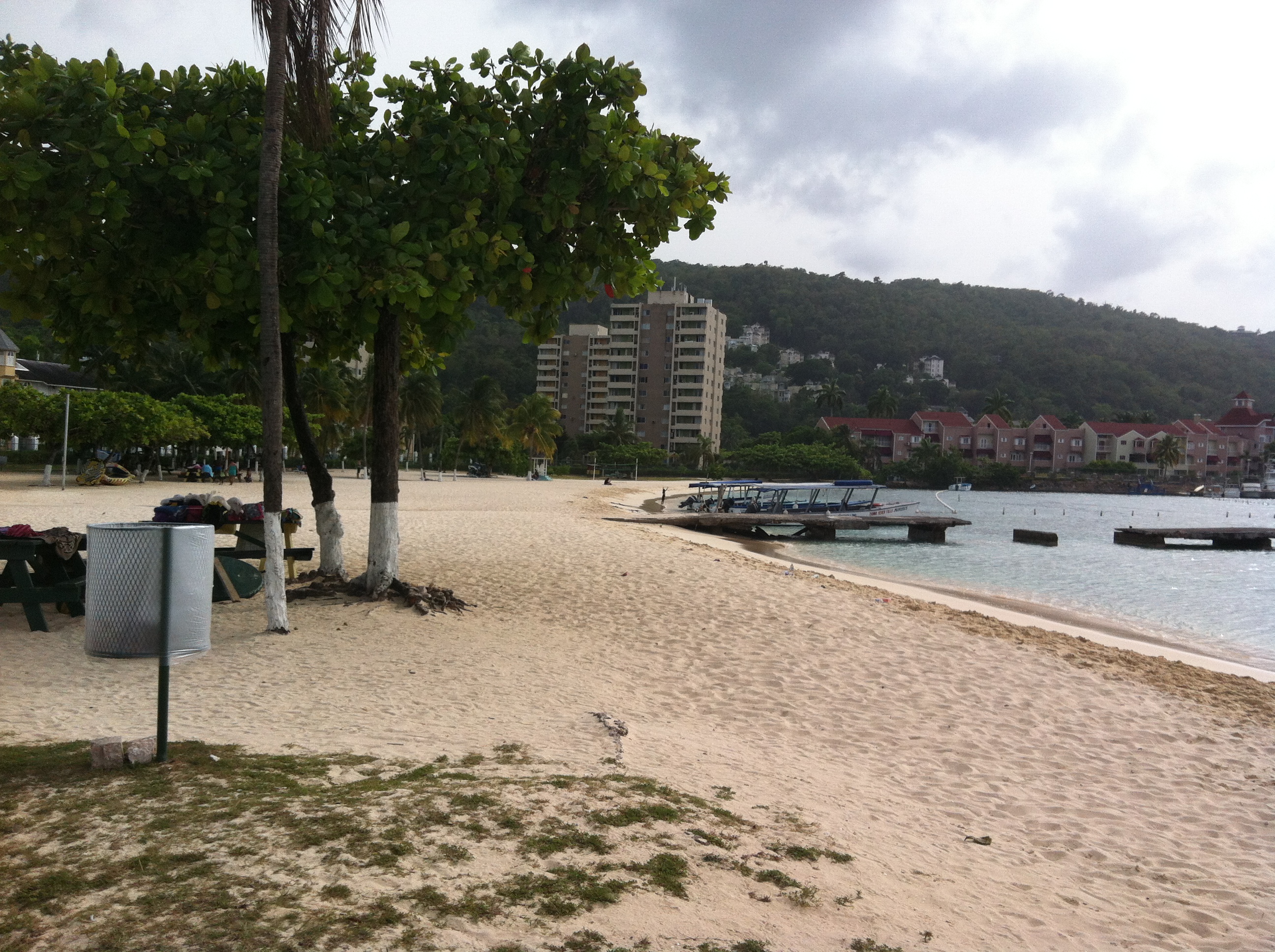
The main beach in Ochi. Despite the fact that Carnival Cruise Lines moved their main docking port to Falmouth, there were still a couple of ships in the harbour. Apparently Ochi now only gets three ships per month. The area seemed busy, however, for the off-season.

Merchants were late last year dreading this summer season:

“Next summer will be worst in 20 years,” bemoans local businessman Joey Issa.

“Ocho Rios, 15 to 20 years ago, boasted more than 800,000 cruise ship passengers annually. Those numbers have dropped to 400,000,” said Issa.

I wonder how they are faring now. I also wonder if the problem of harassment has improved. We experienced a couple of aggressive vendors, but nothing we couldn’t handle.

The vendors are apparently trying to work out the situation among themselves in terms of who sells what and where, and how. Perhaps it is working? In any case, the beach is beautiful, although I suspect the cruise ships and other large yachts have been dumping waste, because there were few signs of life in the water.

UN MDG Goals- should we celebrate?


The United Nations this week released its Millennium Development Goals Report and it seems to be a mix of progress and setbacks. The MDGs were established around 2000, and consist of eight targets that nations around the world committed to meeting. They are to: eradicate extreme poverty and hunger; achieve universal primary education; promote gender equality and empower women; reduce child mortality; improve maternal health; combat HIV/AIDS, malaria and other diseases; ensure environmental sustainability and global partnership development.

It is now 2015, the year to account for these goals. Some good news first specific to the Latin American and Caribbean region: the proportion of people living on less than $1.25 per day fell from 13 per cent in 1990 to four per cent in 2015.

In terms of “gender parity,” for being represented in Parliament, at 27 per cent, this is the highest proportion in the developing world and higher than some developed regions.

The child mortality rate was reduced (and the target met) to 17 per 100,000 deaths in 2015 from 54 per 100,000 in 1990. And HIV infections dropped 56 per cent from 2010 to 2015.

Now, the more disturbing news: one in five people in the Caribbean are “undernourished,” while the rate for Latin America has decreased to five per cent. Enrollment rates at primary schools: only 82 per cent of children are enrolled compared to 95 per cent in Latin America. The report also says the overall region has made “slow progress” in reducing adolescent births; I wonder what that means.

It would be interesting to see how Jamaica compares to the rest of the Caribbean. I would also be interested to know the breakdown for Latin American countries, especially for those that are essentially in civil war situations right now, such as Honduras and El Salvador and Guatemala.

As always, the true picture is on the ground, not in a colorful, thick report compiled to meet a deadline.

Water restrictions


The country-side is brown and arid. Water restrictions are in place across the island. This time last year, I remember monitoring the lowering Mona dam during my weekly run around it. I have not been up there in quite awhile, but I expect it looks he same as last year.

When I first moved here a few years ago, I was alarmed at the first instances of water shortages, but now I realize it is an annual event. The drought. The water restrictions. The panic and the storing of water. We have been out in the country where the rivers have either dried up or are down to a trickle, but we have not yet felt the negative impact of water restrictions.

The situation is now affecting the health facilities, which is surely a potential public health emergency. In any case, it is perplexing, when you see the number of leaking hydrants, the water parties, the waste that goes on, as well as the potential to harvest rainwater. On an island of abundance, how does this happen?

Even a sudden, unpredicted rainstorm on Monday night, complete with booming thunder, did little to help the supply. I suppose people will make do, authorities will do their rationing, and the summer will go on as usual until the rainy season comes again. 

This picture was taken a couple of years ago, at the Mona Dam, not during a drought, and is courtesy of fellow volunteer Wendy.

“10 out of 10”


For many occupations, there are tangible “measurables” and “deliverables” by which one’s performance can be judged. A salesperson, for example, or a professional athlete. Or even a journalist- you must achieve a daily word count, for example. Other professions, such as an artist or a psychologist, are more subjective when trying to gauge success. I give these examples to make the point that some professions are not easily measured when trying to determine success.

You might think, though, that being the person in charge of security and safety for a nation, a police chief, would have some pretty stringent targets and benchmarks to meet to judge success. Is the murder rate down? Have property crimes fallen? Have domestic violence rates declined? If yes, you might think the top cop is on the right track. If no, well, there is still work to be done.

Not the case with police commissioner Dr. Carl Williams, who gave himself a score of 10 out of 10 when asked at a press conference to rate his performance. He has been on the job for 10 months. This past weekend, more than 600 people have been murdered in Jamaica so far in 2015. This is a roughly 20 per cent increase over the same period last year. The increase has been attributed to a spike in crime in the parish of St. James, where the lottery scams are concentrated.

We don’t know the question he was asked to respond this way, but Dr. Williams explained his self-assessment this way:

“The truth is that there is a whole lot of things that are happening that you are not going to see the results right away,” he asserted.

He cited a confidential exchange program through which people can turn in weapons, as well as targeted effort to fight the guns-for-drugs trade between Haiti and Jamaica. According to statistics, 80 per cent of the murders were committed with guns, with half of those crimes being gang-related.

So by the logic and assumption that because the programs and policies are put in place to tackle specific criminal activity, we should see a drastic reduction in crime soon? As always, the media did not press Dr. Williams as they should have, or the editor did not give the reporter enough space to flesh out the story, or Dr. Williams is an expert in evading questions. Although he has clearly had no media training, or at least did not pay attention, because someone should have advised him not to respond to such a question, or at least display some humility.

In any case, we are left, as usual, with a sensational headline, more questions than answers, no substance, and a sense that the authorities are living in a parallel universe. Dr. Williams is clearly not clueless, however, because he “lamented” that too many elderly people, women and children are becoming part of the statistics. How does he then rationalize his perfect self-assessment with the acknowledgment that too many innocent people are dying? We would love to know, but the story does not shed any additional light.

Fresh pine


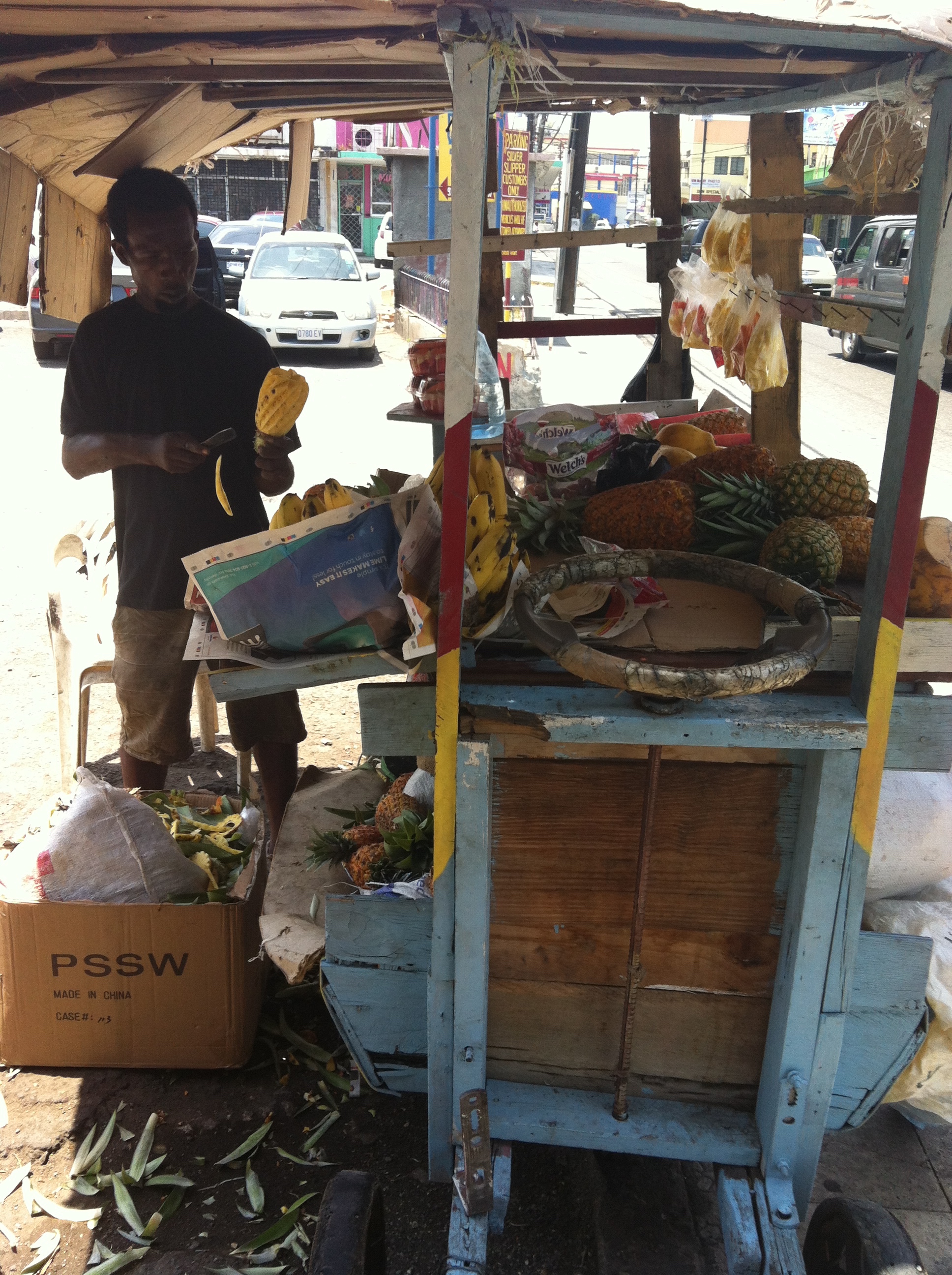
We ordered fresh pineapple (Jamaicans shorten it to pine), we got it. It is so delicious and sweet.